You can grow lettuce in a garden by choosing a spot with partial to full sun, loosening and amending the soil, direct-seeding or transplanting during cool weather (spring or fall), spacing plants 6–12 inches apart depending on variety, watering consistently at the base, and harvesting outer leaves regularly to keep the plant producing. Lettuce is one of the easiest vegetables to grow outdoors, but it does have one non-negotiable: it needs cool temperatures to thrive. Get that right and the rest falls into place quickly.
How Do You Grow Lettuce in a Garden Step by Step
Marcus Holloway
27 May 2026
How lettuce grows and what conditions it needs
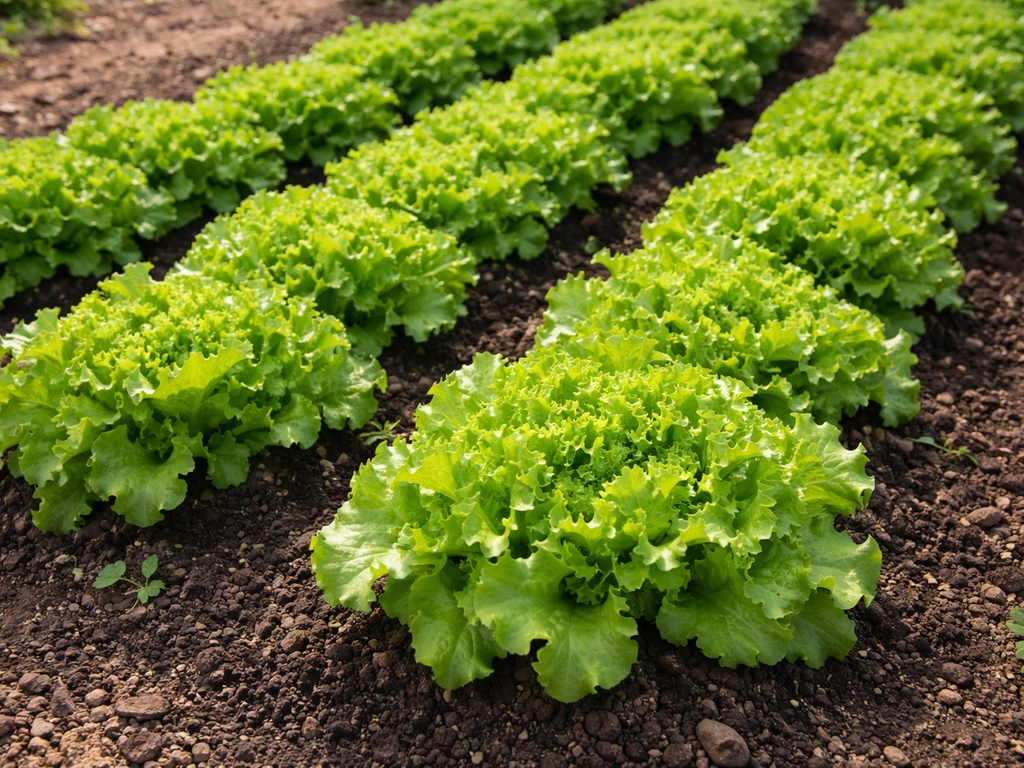
Lettuce is a cool-season annual that moves through a predictable set of stages: seed, cotyledon (first tiny leaves), seedling, rosette, then either a full head or a loose leaf cluster depending on variety, and finally a flowering or bolting stage where the plant sends up a tall stalk, turns bitter, and sets seed. Your goal as a gardener is to harvest during that rosette-to-heading window, before bolting kicks in.
The sweet spot for growing lettuce is an average daily temperature of around 60–70°F. Penn State Extension also notes that lettuce performs best when average daily temperatures are about 60, 70°F blank" rel="noopener noreferrer">average daily temperature of around 60–70°F. That range keeps leaves tender, flavorful, and growing at a good clip. Once temperatures push consistently above 80°F, the plant interprets it as a signal to reproduce, triggering the bolt. Seeds also have a temperature preference: they germinate best at 65–70°F and tend to go dormant or germinate erratically when soil is too warm or too cold. UMass Extension greenhouse guidance for lettuce reports that lettuce seeds germinate best around 65, 70°F, with optimum daytime temperatures around 60, 65°F blank" rel="noopener noreferrer">Seeds also have a temperature preference: they germinate best at 65–70°F. This is why lettuce is fundamentally a spring and fall crop in most climates.
What lettuce needs to thrive comes down to four things: cool temperatures, consistent moisture, decent light, and loose fertile soil. It's not a heavy feeder, it doesn't need deep soil, and it actually tolerates more shade than most vegetables. That makes it surprisingly flexible once you understand what drives it.
Choosing where to plant: sun, shade, and timing in a garden
In spring, a spot with 6 or more hours of direct sun is ideal because the temperatures are still cool enough that the sun won't stress the plants. As you move into late spring and early summer, or if you're doing a fall planting that catches some warm days, partial shade (3–4 hours of direct sun, dappled the rest of the time) actually becomes an advantage. Afternoon shade in particular slows bolting and keeps leaves from wilting. I've had great results tucking lettuce on the east side of taller plants like tomatoes or beans, where they get morning sun but shade out by midday.
Timing is just as important as location. The general rule: plant lettuce when nighttime temps are staying reliably above freezing but daytime highs are still below 75°F. In most of the continental US, that's roughly 4–6 weeks before your last spring frost date, or 6–8 weeks before your first fall frost. Lettuce can handle a light frost (around 28–32°F) once it's established, so don't be afraid to push the season a little in spring. For gardeners in warm climates like Hawaii, growing conditions are different enough that those regions deserve their own treatment and variety choices.
Preparing a garden bed and backyard planting area
Lettuce has a shallow root system, typically 6–12 inches deep, so it doesn't need deeply amended soil. But it does need loose, well-draining soil with decent organic matter. Compacted clay or waterlogged beds will stunt it fast.
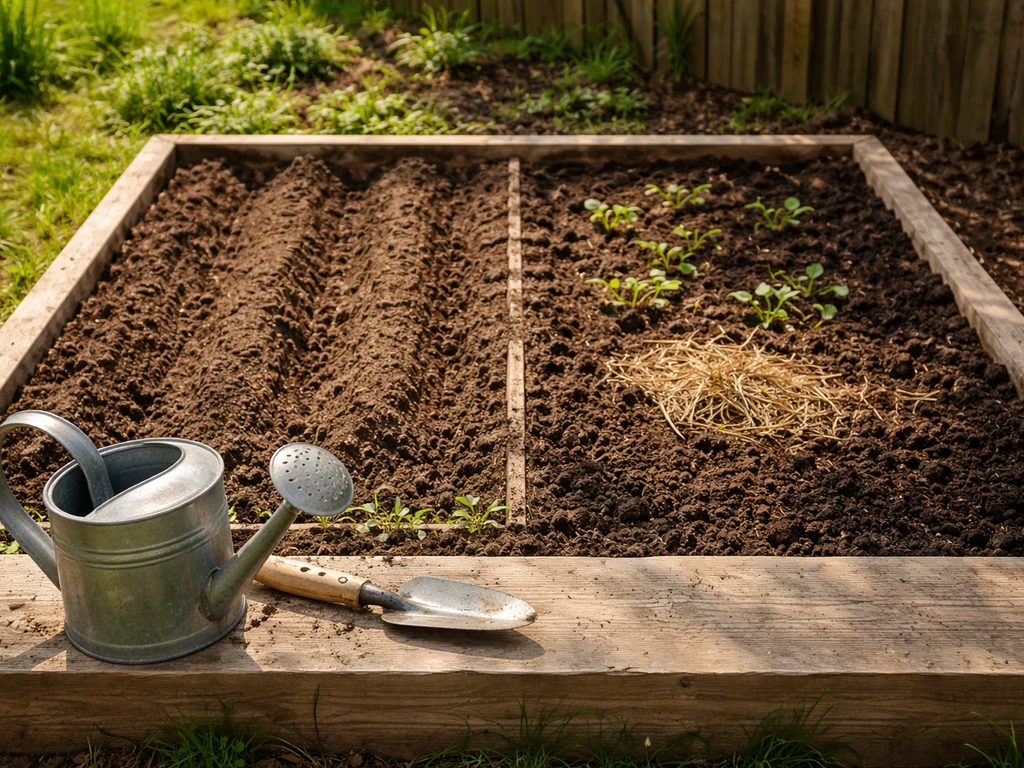
Here's how I prep a bed for lettuce. Start by loosening the soil about 8–10 inches deep with a fork or tiller. Pull any weeds and remove big rocks or clumps. If your soil is heavy clay or sandy and drains too fast, work in 2–3 inches of compost and mix it in. Lettuce prefers a slightly acidic to neutral soil pH, around 6.0–7.0. If you've never tested your soil, a basic pH test from a garden center is worth doing once. Rake the surface smooth and level before planting or seeding. A fine, crumbly surface helps seeds make good contact with the soil.
If you're working with raised beds, you're already in a good position. Most raised bed mixes drain well and have enough organic matter built in. Just make sure the bed is at least 6 inches deep. Container growing is also a great option for small backyards or patios, and lettuce does well in shallow containers as long as you water consistently.
Planting lettuce: seeds vs transplants, spacing, and depth
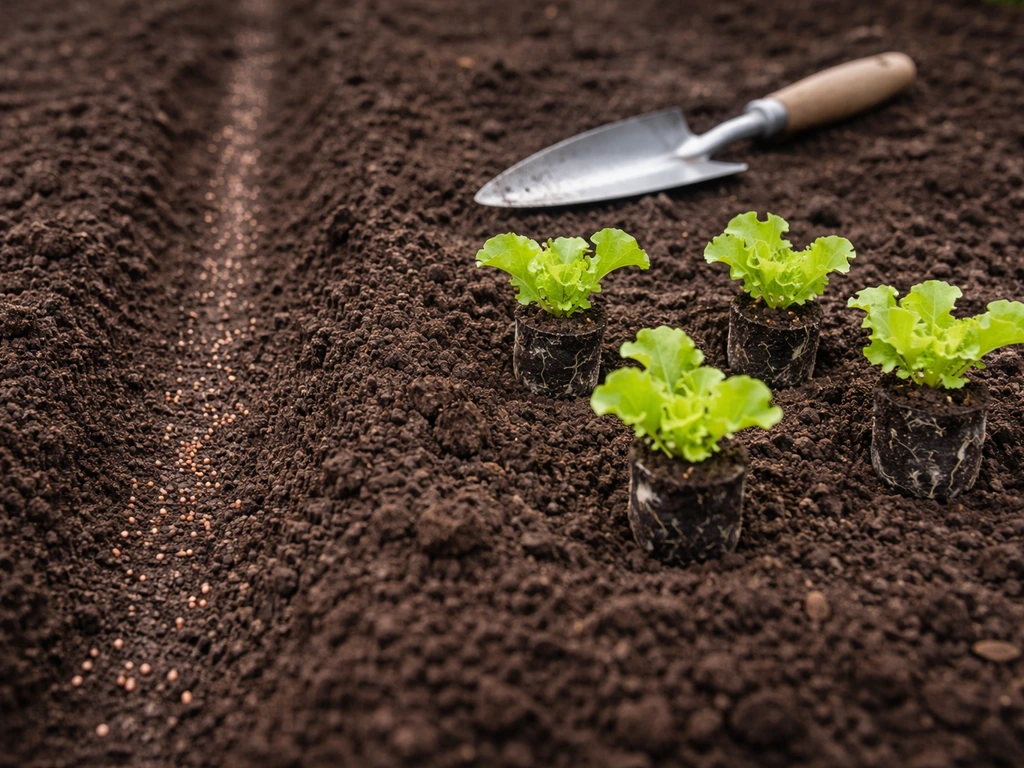
You can start with seeds or transplants, and both work well. The tradeoff is time versus control. Seeds are cheaper, give you more variety options, and can be direct-sown right in the garden bed. Transplants (either bought or started indoors 3–4 weeks before planting) get you a head start and are easier for beginners to manage in early spring when conditions are less predictable.
Direct seeding in the garden
Lettuce seeds are tiny and need to be planted shallow. The standard guidance is about 1/8 to 1/4 inch deep, barely covered with soil. Press the soil lightly after seeding so the seeds make contact with the soil. Sow them in rows or scatter (broadcast) them across a bed and thin later. For continuous harvest, do a new small sowing every 2 weeks throughout the cool season.
Transplanting
If you're using transplants, plant them at the same depth they were growing in their cell or pot. Don't bury the crown. Water them in right away. Transplants will look a little droopy for a day or two after going in the ground. That's normal. They'll perk up once their roots settle.
Spacing by lettuce type
| Lettuce Type | Plant Spacing | Row Spacing | Notes |
|---|---|---|---|
| Leaf lettuce | 6 inches | 12 inches | Can be planted closer for cut-and-come-again harvests |
| Butterhead/Bibb | 8–10 inches | 12–18 inches | Needs room to form a loose head |
| Romaine (cos) | 8–10 inches | 18 inches | Upright growth; tolerates tighter spacing |
| Iceberg/crisphead | 12–16 inches | 18–24 inches | Largest heads; needs the most space |
For leaf lettuce especially, you can plant closer together and then thin by harvesting every other plant as they grow. You get food from the thinnings and end up with properly spaced plants without wasting anything.
Watering, feeding, and temperature management (including preventing bolting)
Watering
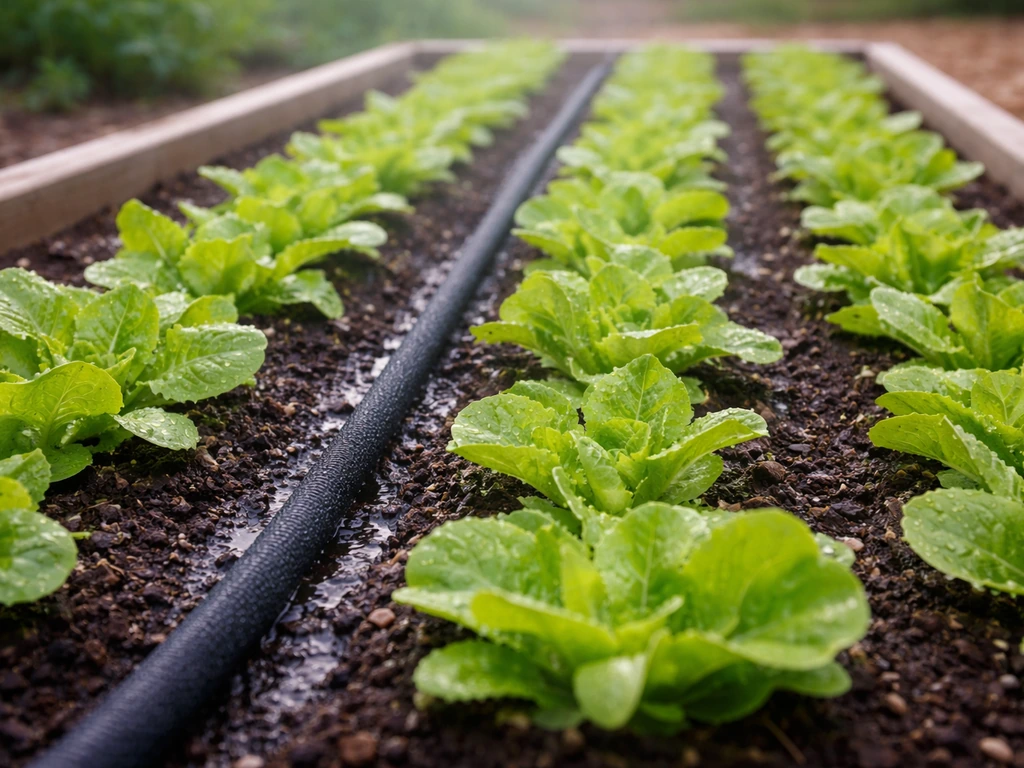
Lettuce is about 95% water, so consistent moisture is non-negotiable. The goal is to keep the soil evenly moist but never waterlogged. A general rule is about 1 inch of water per week, either from rain or irrigation. In hot or dry weather, you may need to water more frequently. I water at the base of the plants rather than overhead whenever possible, since wet leaves in warm weather can encourage fungal problems. If the top inch of soil feels dry, it's time to water.
Feeding
Lettuce is a light to moderate feeder. If you amended your soil with compost before planting, you may not need to fertilize at all for a single season. If growth seems slow or leaves look pale, a light side-dressing of balanced granular fertilizer (something like 10-10-10) or a diluted liquid nitrogen-focused fertilizer will give it a boost. Don't over-fertilize with nitrogen late in the season, though. It pushes lush, soft leaf growth that's more prone to tip burn and rot.
Managing temperature and preventing bolting
Once daytime temperatures are regularly hitting 80°F or higher, your lettuce will bolt. You'll notice the center of the plant starts pushing upward, leaves get narrower and more pointed, and the flavor turns bitter. Once bolting starts, it can't be reversed. Your options at that point are to harvest everything immediately or let it go to seed for next year.
To delay bolting when a heat wave hits, try these tactics: provide afternoon shade using shade cloth (30–40% shade cloth works well), water more frequently to keep roots cool, and mulch the soil surface to hold moisture and moderate soil temperature. Choosing slow-bolt or heat-tolerant varieties like 'Jericho' romaine or 'Oak Leaf' leaf lettuce also makes a big difference. Some gardeners do a spring planting knowing it will bolt eventually, then switch to fall as soon as the heat breaks.
Growing leaf lettuce: specific tips for harvesting and regrowth
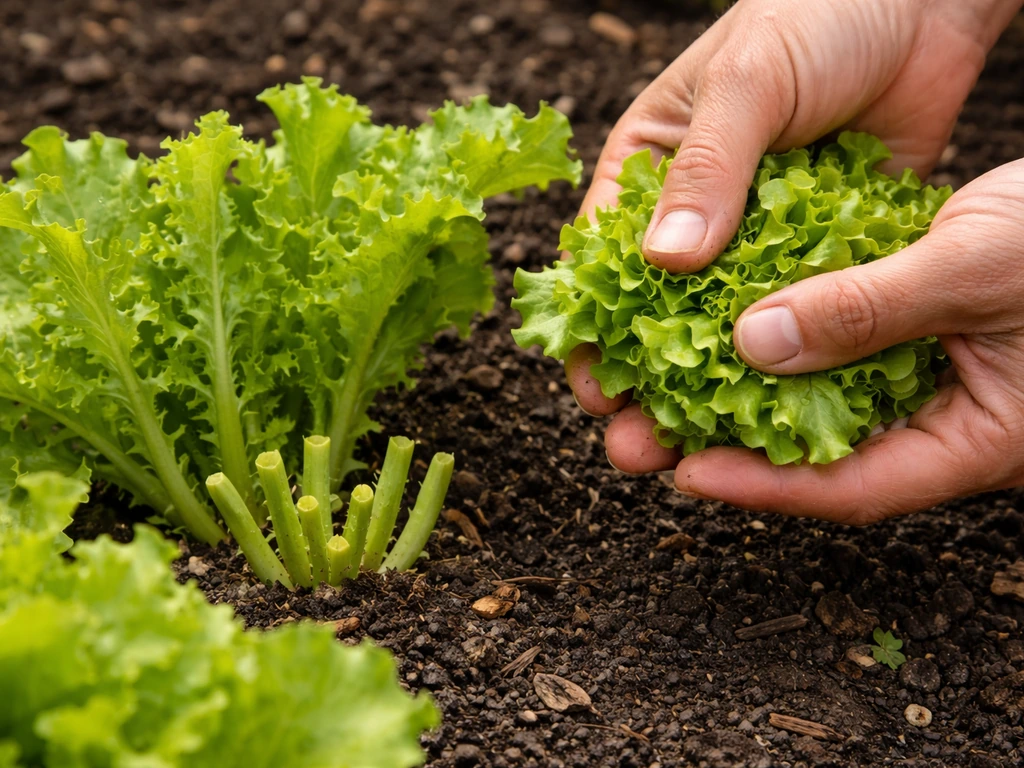
Leaf lettuce is the most forgiving type to grow and the most rewarding for a home garden because you can harvest it repeatedly over weeks. If you're looking for specific steps, this guide to how to grow manoa lettuce walks you through the key conditions and timing for best results. Instead of waiting for a full head to form like you would with iceberg, you cut what you need and the plant keeps growing new leaves from the center.
The best harvesting method is called cut-and-come-again. Once your leaf lettuce plants are about 4–6 inches tall, use clean scissors or a sharp knife and cut the outer leaves first, leaving the inner growth point (the crown) intact. Cut about an inch above the soil level if you're doing a full plant cut, or just snip individual outer leaves down to about 1 inch from the base. Either way, the plant will push out new growth within 7–14 days, and you can repeat this 3–5 times before the plant finally runs out of energy or bolts.
A few things that make a real difference with leaf lettuce harvests: harvest in the morning when leaves are crisp and hydrated, rinse and dry immediately if you're not eating right away (lettuce stored wet in the fridge goes slimy fast), and never remove more than a third of the plant at once. Taking too much slows regrowth significantly. After you've harvested a couple of times, give plants a small feeding to support continued leaf production.
Popular leaf lettuce varieties worth growing include 'Black Seeded Simpson' (reliable, fast, mild flavor), 'Red Sails' (great color, slow to bolt), 'Oak Leaf' (heat-tolerant, deeply lobed leaves), and 'Lollo Rossa' (frilly, decorative, flavorful). If you enjoy specialty greens, mizuna and mache are related cool-season greens that work well alongside lettuce in a garden bed and have their own harvesting personalities worth exploring. If you want something similar to plant alongside your lettuce, learning how to grow mizuna lettuce can add variety with another easy cool-season green.
Troubleshooting common lettuce problems and what to do next
Most lettuce problems are predictable and fixable once you know what's actually going on. Here's what I see come up most often and how to deal with it.
- Seeds not germinating: Soil is likely too warm or too cold. Lettuce seed germination is best at 65–70°F. If you're direct seeding in summer and soil temps are above 80°F, seeds may go dormant. Try starting seeds indoors in a cool room or wait for the soil to cool in fall. Also check seed depth, seeds planted too deep (more than 1/4 inch) often fail to push through.
- Slow or stunted growth: Usually a nutrient issue, compacted soil, or waterlogged roots. Check drainage first. If the soil holds water after rain, amend with compost or perlite to improve structure. Then give plants a light nitrogen boost.
- Wilting despite regular watering: Counterintuitively, this is often overwatering. If the soil is constantly soggy, roots can't breathe and the plant wilts just like it would from drought. Let the soil dry out slightly between waterings and make sure your bed drains well.
- Tip burn (brown leaf edges): This is a calcium uptake issue usually caused by inconsistent watering or low calcium in the soil. Keeping moisture consistent is the most effective fix. It's cosmetic, so affected leaves are still edible, just trim the brown parts.
- Bolting early: Temperatures are too high, or you planted too late in the season. Shade cloth and more frequent watering can buy you extra time, but the fundamental fix is timing your plantings to avoid peak summer heat. Switch to heat-tolerant varieties if you're in a warmer zone.
- Holes in leaves or ragged edges: Usually slug damage (look for slime trails in the morning) or caterpillars. For slugs, try iron phosphate bait or a ring of diatomaceous earth around the bed. For caterpillars, hand-pick in the evening and use row cover as a preventive barrier.
- Pale yellow leaves: Nitrogen deficiency. Side-dress with a balanced fertilizer or work in a small amount of compost around the base of the plants.
Once you've harvested your first round of lettuce, the natural next step is to plan your succession plantings. If you also want to try mache, the same cool-season thinking applies, and you can follow specific steps for how to grow mache lettuce. Sow a fresh round of seeds every 2–3 weeks to keep a steady supply coming rather than having everything mature at once. When the season finally ends and your plants bolt for good, you can either pull and compost them or let a few go to seed and save those seeds for next season. Lettuce seeds are easy to save and store well in a cool, dry place for 2–3 years. Getting into that rhythm of planting, harvesting, and replanting is really where growing lettuce becomes genuinely satisfying.
FAQ
Can I grow lettuce indoors or on a patio year-round?
Yes, lettuce can be grown indoors, but it relies on enough light and cool conditions. Use a bright grow light (typically 12–14 hours per day) and keep the temperature closer to cool-season ranges. If your indoor space runs warm, bolting happens faster, so choose leaf varieties and keep the soil consistently moist.
Why won’t my lettuce seeds germinate evenly?
If seeds germinate slowly or unevenly, the most common causes are soil temperature and seed coverage. Lettuce prefers germinating around the mid to high 60s°F, and the seeds should be barely covered (about 1/8 to 1/4 inch). Too deep, too much shade at sowing time, or soil that swings from very dry to very hot can lead to patchy stands.
How do I thin lettuce without damaging it?
Thin sooner if you see crowded seedlings. While leaf lettuce can be planted closer, overcrowding still reduces airflow and increases disease pressure. A practical approach is to thin to the spacing you want once seedlings have a few true leaves, then continue with cut-and-come-again harvests as they grow.
Will mulching help prevent lettuce from bolting? What kind should I use?
Use mulch as a temperature and moisture buffer, especially in transition seasons. A light layer helps keep soil from spiking during hot afternoons, which can slow bolting and improve leaf quality. Avoid piling mulch against the crown, and keep the soil surface evenly moist rather than letting mulch hide a dry top layer.
What’s the best way to water lettuce to avoid disease?
Yes, but avoid wetting leaves in warm weather. Drip irrigation or a soaker hose at the base is ideal. If you must use overhead watering, do it early in the day so foliage dries quickly, because constantly wet leaves can contribute to fungal issues even when soil moisture is otherwise correct.
My soil stays wet, can I still grow lettuce?
Growing lettuce in heavy clay often needs drainage first. If water pools or the ground stays soggy after rain, amend the bed with compost and consider adding coarse organic material or building a raised bed so excess water can move away. Stunted growth with yellowing is a common sign the roots are oxygen-starved.
When and how should I fertilize lettuce?
If plants are pale or very slow-growing even though you planted in good soil, a light feeding can help. Side-dress sparingly with a balanced fertilizer, or use a diluted nitrogen-focused liquid, then stop increasing nitrogen later in the season because overly soft growth can tip-burn and rot. Compost alone is often enough for one cool-season cycle.
If my lettuce starts bolting, can I fix it?
Bolting is triggered by sustained heat and cannot be reversed once the plant starts sending up the tall stalk. The best move is to harvest what you can immediately (whole plant or cut-and-come-again, depending on stage) and replant for the next cool window. Keeping plants alive longer without changing temperatures usually leads to increasingly bitter leaves.
What’s the correct way to harvest leaf lettuce so it keeps producing?
For leaf lettuce, the cut method is different from head lettuce. Wait until plants are about 4–6 inches tall, cut outer leaves while leaving the crown intact, and never remove more than about one third of the plant at once. Harvesting in the morning keeps leaves crisp; storing wet leaves can cause sliminess, so dry thoroughly if refrigerating.
My lettuce tips are browning or burning, what causes it and what can I do?
Tip burn is often linked to uneven moisture, especially cycles of drying out and then heavy watering, plus overly aggressive nitrogen. Make watering more consistent (even moisture, not waterlogged), and consider mulch to reduce temperature swings. If you see tip burn near the hottest weeks, switching to more heat-tolerant varieties also helps.
Can I grow lettuce under taller plants like tomatoes or beans?
If you’re planting near taller crops, placement matters because lettuce still needs decent light to grow well. East-side or morning-sun locations can work, but aim for partial shade during the hottest part of the day rather than deep shade all afternoon. In low-light spots, plants may become leggy and more prone to problems.
How do I plan succession plantings so I don’t run out of lettuce?
For succession planning, aim for staggered small sowings every 2–3 weeks rather than a single large planting that all matures together. Choose varieties with different bolting timing when possible, and time the last sowing so it reaches harvestable size before your hottest stretch begins.