Manoa lettuce grows from seed to a compact 8-inch semi-head in about 50 to 60 days, tolerates heat better than most lettuces, and works well in outdoor beds, containers, and indoor setups. If you sow seeds 1/8 to 1/4 inch deep, keep soil moist and temperatures between 60 and 75°F during germination, thin to 6 to 8 inches apart, and harvest outer leaves regularly once heads start to form, you will have fresh, buttery greens throughout the season with minimal fuss. To learn the exact steps for getting mizuna lettuce from seed to harvest, follow a mizuna-specific plan that matches its cool-season needs Manoa lettuce.
How to Grow Manoa Lettuce: Step-by-Step Guide
Marcus Holloway
26 Jun 2026
What Manoa lettuce actually is and where to get seed
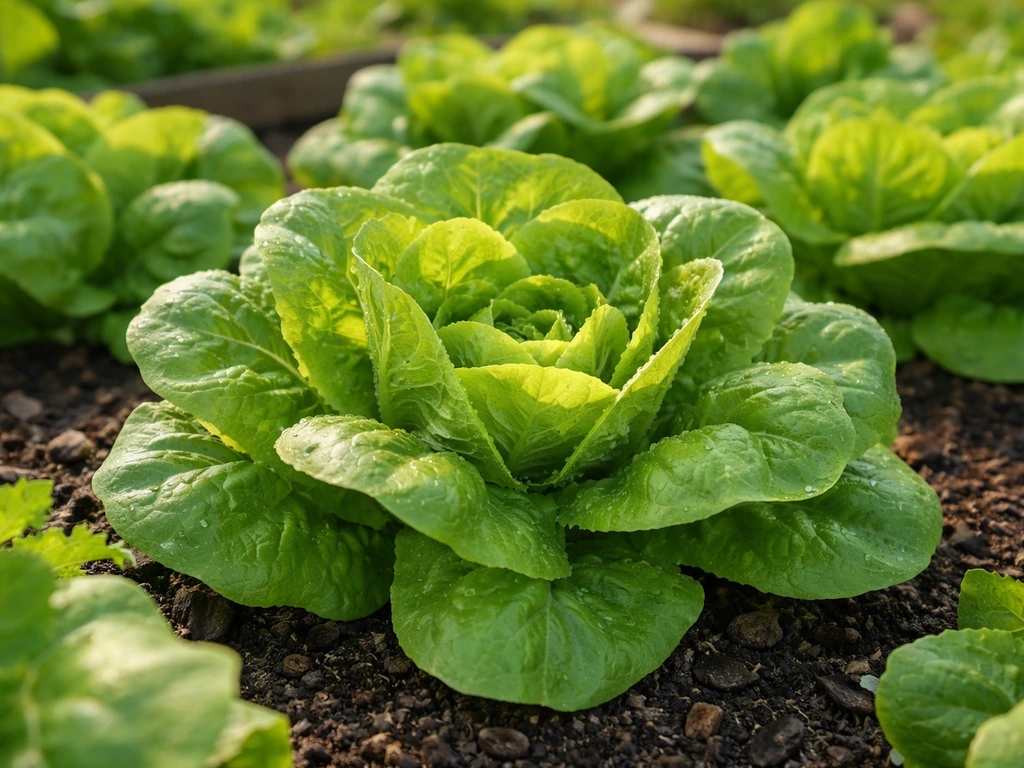
Manoa is the local Hawaiian name for the cultivar 'Green Mignonette,' a semi-head lettuce that has been grown in Hawai'i for over a century. It was selected over generations for tropical conditions, which is why it handles heat better than most butterhead or romaine varieties. The leaves are medium to dark green with a soft, buttery texture, and the plant forms a loose, compact head rather than a tight ball. That semi-head structure is part of why it's so forgiving: you can harvest outer leaves without cutting the whole plant.
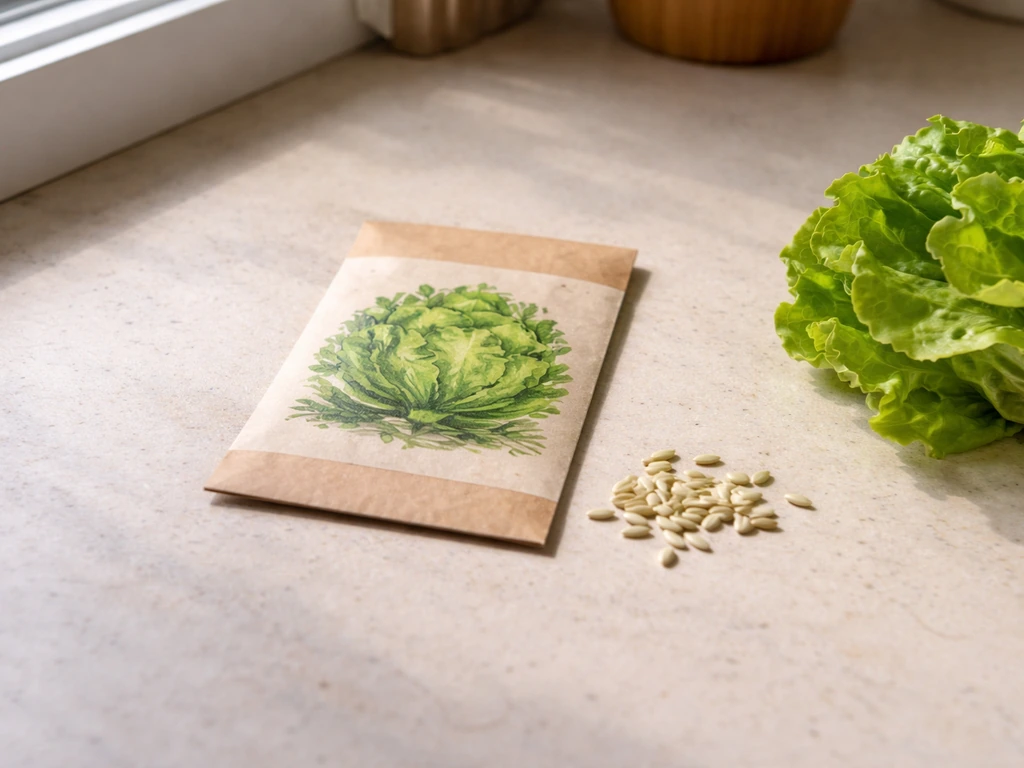
When shopping for seed, look for it sold as 'Manoa,' 'Manoa lettuce,' 'Manoa Wonder,' or 'Green Mignonette.' These all refer to the same family of cultivar. For the most regionally adapted seed, the University of Hawai'i's CTAHR Seed Program (through its Agricultural Diagnostic Service Center) sells Manoa lettuce seed bred and tested specifically for Hawaiian conditions. Hawaii Gardener is another reliable specialty source. If you're on the mainland, Southern Exposure Seed Exchange carries 'Manoa Wonder,' and Siskiyou Seeds also stocks it. Avoid generic butterhead seed labeled as a substitute because the heat tolerance really does differ.
Pick the right growing setup before you plant anything
Manoa adapts well to all three main home setups, but each one has a different priority. Knowing which category you fall into will save you from making early mistakes.
Outdoor in-ground bed
This is the most forgiving setup for Manoa. Aim for well-drained soil with plenty of organic matter worked in, and target a pH between 6.0 and 6.5. Lettuce roots are shallow, so you don't need deep beds, but good drainage matters a lot: sitting in wet soil invites root rot and disease. In hot climates, position the bed where it gets morning sun and afternoon shade, or plan to use a 30 to 40 percent shade cloth over the bed during peak summer heat. Manoa is more heat-tolerant than most lettuces, but it still benefits from some relief when temperatures push past 80°F regularly.
Container growing
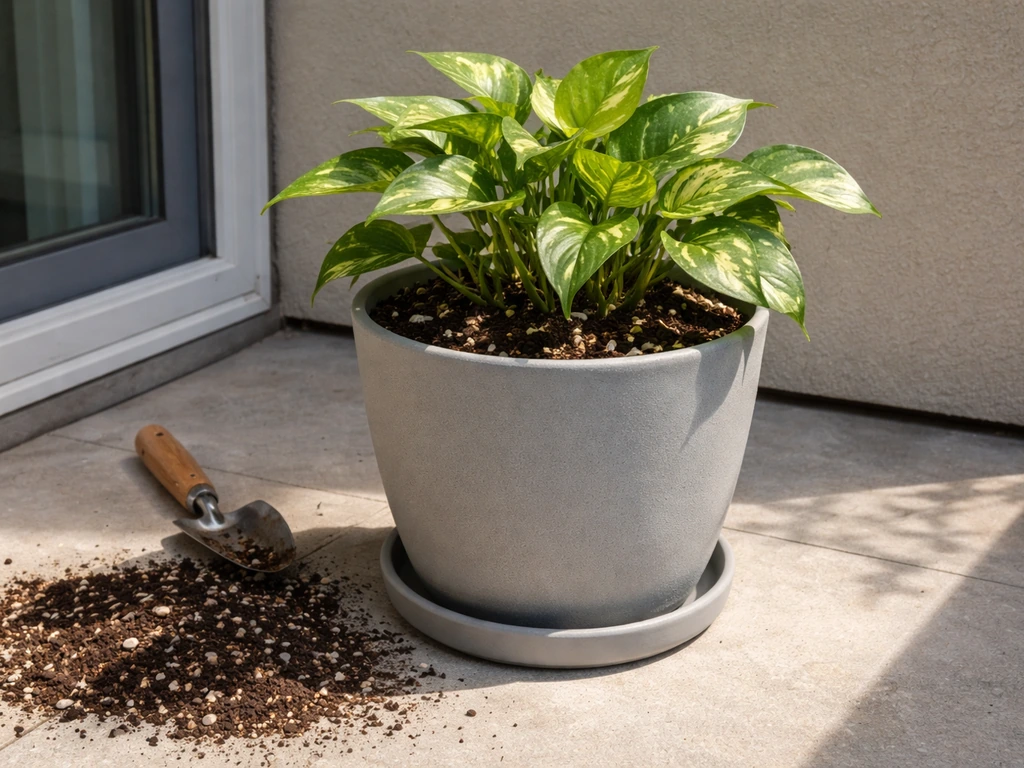
Containers work great for Manoa because you can move them to chase shade or cooler spots as the season shifts. Use a container at least 8 to 10 inches deep and wide enough to hold the spacing you need (more on that below). Fill it with a good quality potting mix, not garden soil, since bagged potting mix drains better and is lighter for moving around. Containers dry out faster than in-ground beds, so you will water more frequently. This is the setup I'd recommend for apartment balconies, patios, or anyone who wants to move the plant during a heat wave.
Indoor growing
Growing Manoa indoors means you take full control of temperature and light, which is a big advantage for extending your season or growing year-round in a hot climate. You can grow it in a soil container under grow lights, or go hydroponic. For hydroponics, a non-circulating (Kratky-style) method works well for lettuce: you fill a container with nutrient solution, float the plant on a raft or net cup, and let roots draw down the solution without needing a pump. This approach was specifically researched at CTAHR for Hawaii lettuce production and is very beginner-friendly. Indoors, keep temperatures between 60 and 72°F for best growth.
Starting seeds and getting through germination
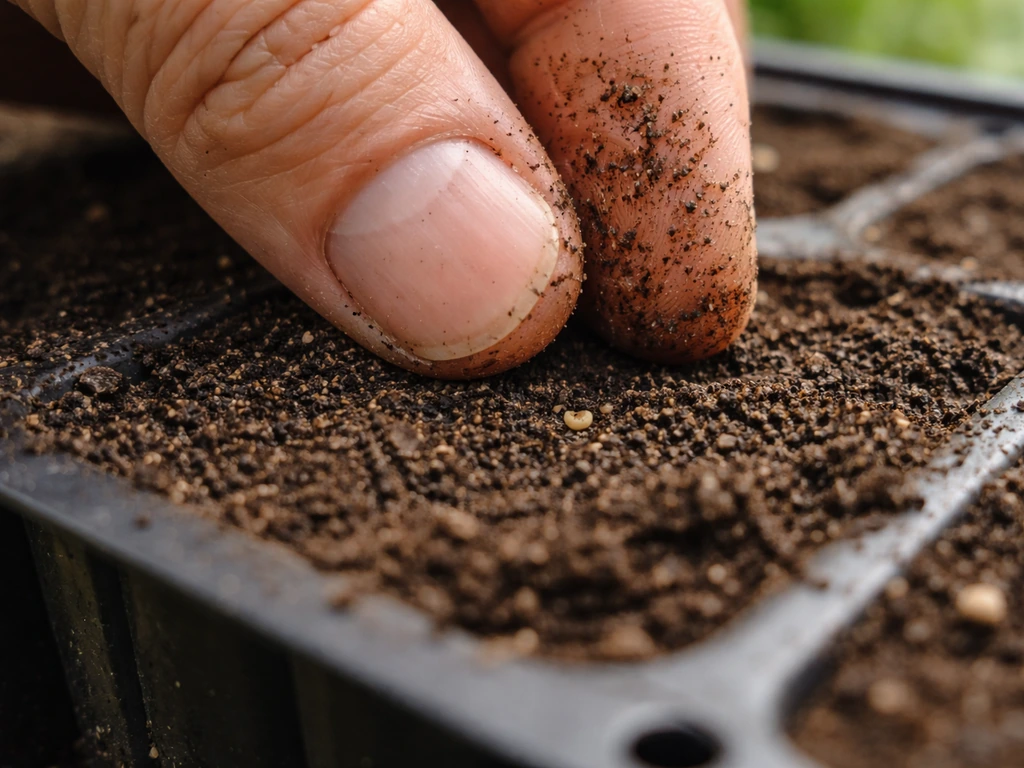
Lettuce seed needs light to germinate, which means you should not bury it deep. The target sowing depth is 1/8 to 1/4 inch. Press the seed into the soil surface and cover very lightly, then keep the surface consistently moist but not waterlogged. Germination usually takes 7 to 10 days at soil temperatures between 65 and 75°F. One critical fact: lettuce seed germination is inhibited above 86°F. If you're in a hot climate and your outdoor soil is already baking in summer, either pre-sprout seeds in a cool indoor spot and then transplant, or wait for a cooler window in the morning to sow and keep the bed shaded until seedlings emerge.
For direct seeding outdoors, sow a few seeds every 3 to 4 inches in rows and plan to thin down to final spacing once seedlings are about 2 inches tall. For starting indoors before transplanting, sow into small cells or trays 3 to 4 weeks before your planned outdoor date, then harden off seedlings for 5 to 7 days before moving them outside. If your seedlings are leaning hard toward the light or stretching thin (etiolation), they're not getting enough light: move them closer to the grow light or to a brighter window.
Thinning after germination
Thinning feels harsh but it's one of the most important steps. Crowded seedlings compete for water and nutrients, stay weak, and are more prone to disease. Once seedlings have their first true leaves (the second set of leaves, not the seed leaves), thin to one plant per spot. For baby-leaf production at close spacing, thin to about 3 to 4 inches. For full semi-head development, thin to 6 to 8 inches. The thinned seedlings are edible, so add them to a salad.
Light, temperature, water, and feeding: the daily care basics
Light
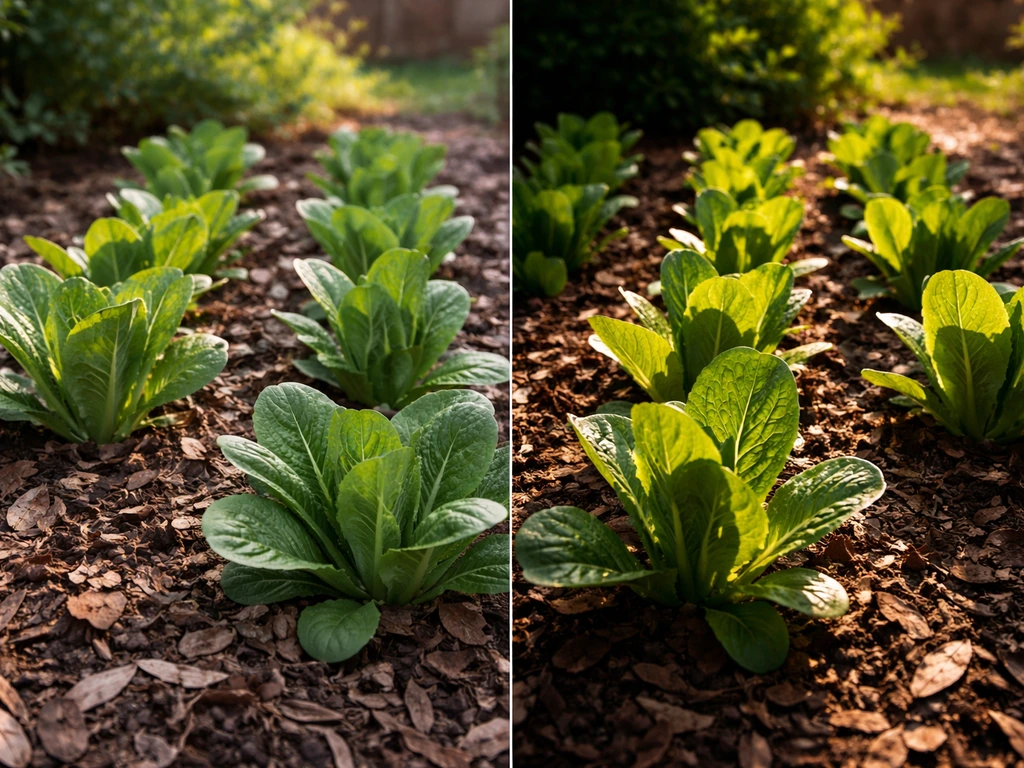
Manoa prefers a sunny location, but in hot climates, full all-day sun accelerates bolting. Aim for 6 hours of direct sun in mild climates. In warmer areas, morning sun with afternoon shade is the sweet spot. Indoors, full-spectrum grow lights for 14 to 16 hours per day work well for lettuce. Keep the light source close enough that plants don't stretch, typically 4 to 6 inches above the canopy for LED panels.
Temperature
Manoa's heat tolerance is genuinely better than most lettuce, and it can be grown year-round at low elevations in Hawai'i precisely because of this trait. Follow this schedule to grow mache lettuce successfully, using Manoa's heat tolerance as a guide for managing bolting risk. That said, ideal growing temperatures are still 60 to 72°F. Above 80°F regularly, bolting risk increases even for heat-tolerant varieties. The heat-bolting connection is a real physiological response: high temperatures trigger a developmental shift in the plant toward flowering. You can delay this by providing shade, keeping soil moist, and harvesting actively. At higher elevations or during cooler seasons, bolting is much less of a concern.
Watering
Lettuce is mostly water, so consistent moisture matters. Water deeply enough to reach the shallow root zone and then let the top inch of soil dry slightly before watering again. Water in the morning so leaves dry out during the day, which reduces disease pressure. Avoid watering at night when moisture sits on leaves for hours. In containers, check moisture daily in hot weather because they dry out fast. Inconsistent watering, going from bone-dry to soaked repeatedly, stresses the plant and speeds up bolting.
Feeding
Lettuce is a leafy crop, so it wants nitrogen. A light application of a balanced or nitrogen-forward fertilizer every 3 to 4 weeks is the right cadence. Don't overfeed: too much nitrogen causes soft, weak growth that's more prone to disease and pests. If you amended your soil well with compost before planting, you may only need one or two supplemental feedings per crop cycle. For containers and hydroponic setups, use a balanced liquid nutrient solution and follow the manufacturer's dilution rates since there's no soil buffer.
Spacing, thinning, and succession planting for continuous harvest
Here's a practical breakdown of spacing by goal:
| Goal | Spacing | Days to harvest |
|---|---|---|
| Baby leaf / cut-and-come-again | 6 inches in all directions | 38 to 45 days |
| Full semi-head development | 6 to 8 inches in all directions | 50 to 60 days |
| Transplant rows (outdoor bed) | 8 inches plant-to-plant, 12 inches row-to-row | 50 to 60 days from transplant |
Succession planting is the single best thing you can do for a continuous supply. Instead of sowing all your seed at once, sow a small batch every 2 to 3 weeks. Each batch replaces the previous one as it finishes. In a hot climate, stagger sowings so you're not trying to germinate during the peak heat weeks: focus your succession on the cooler shoulder seasons (spring and fall) or handle summer growth indoors or under shade cloth. If you're growing in Hawaii or another warm-climate area year-round, shorter succession intervals of 2 weeks work well because the growing season never ends.
For container gardeners, a good rhythm is to keep two or three pots going at different stages. When one pot is ready to harvest, the next is mid-growth, and you're just seeding the third. This keeps fresh lettuce coming without a big gap.
How to harvest Manoa lettuce and keep it producing
You have two main harvest approaches with Manoa, and which one you use depends on how you spaced it.
Cut-and-come-again (outer leaf harvest)
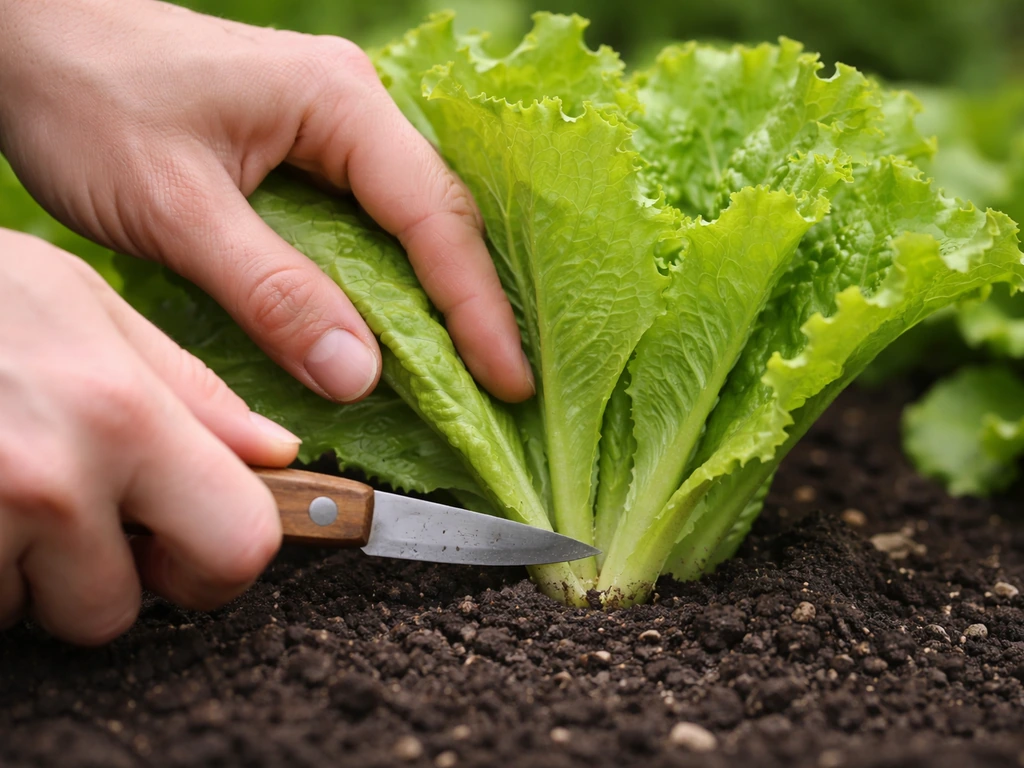
For baby-leaf production or ongoing harvesting without pulling the plant, use scissors or a knife to cut outer leaves down to about an inch above the soil. Start harvesting once the plant has 5 to 6 mature outer leaves and is at least 4 to 5 inches tall. Take no more than a third of the plant at one time. The center growing point stays intact and pushes out new leaves within a week or two. This approach extends your harvest window significantly and is my preferred method for container and indoor growing.
Whole head harvest
For full semi-head harvest at 50 to 60 days, cut the entire plant at the base with a sharp knife, about an inch above the soil line. Some plants will resprout from the base and give you a second smaller flush of leaves, though the regrowth is less predictable than with outer-leaf harvesting. Harvest in the morning when leaves are fully hydrated and crisp for the best flavor and shelf life.
One timing note: don't wait until you see a flower stalk forming before you harvest. Once a plant starts to bolt, the leaves turn bitter quickly. If you see the center of the plant starting to elongate and push upward, harvest immediately regardless of where you are in the timeline.
Troubleshooting the problems you're most likely to hit
Bolting (flowering too early)
This is the number one problem for lettuce in warm climates. Bolting is a heat-triggered response where the plant shifts energy from leaves to producing a flower stalk. Signs include the plant's center elongating rapidly, leaves becoming more narrow and pointed, and a noticeably bitter taste. Manoa is slower to bolt than most varieties, but it's not immune. Prevention is better than cure: provide afternoon shade, keep soil consistently moist, and harvest outer leaves regularly to slow the plant's transition. If bolting starts, harvest everything immediately and start your next succession batch.
Wilting despite adequate water
If your lettuce is wilting but the soil is moist, heat stress is the most likely culprit, not drought. Lettuce wilts in hot afternoon sun even when fully watered. Move containers to shade, add shade cloth over in-ground plants, and check again in the evening. If the plant perks back up by nightfall, it was heat stress. If it stays wilted, check the roots: soggy soil with root rot (roots turning brown and mushy) means you've been overwatering or drainage is poor.
Seeds not germinating
The two most common causes are burying seed too deep or soil being too hot. Lettuce seed needs light and germinates poorly if covered by more than 1/4 inch of soil. Check your soil temperature: if it's above 86°F, germination will be blocked. Move to a cooler spot, pre-sprout on a damp paper towel indoors, or wait for a cooler part of the day or season to sow.
Slow or weak growth
Slow growth in established seedlings usually means one of three things: not enough nitrogen, not enough light, or temperatures that are consistently too cold. If leaves are pale yellow-green, apply a dilute nitrogen fertilizer. If plants are stretching and leaning, increase light. In containers, check that you haven't been underfeeding since there's no soil nutrient reserve to draw from.
Pest damage (aphids, slugs, caterpillars)
Aphids cluster on the undersides of leaves and cause curling and distortion. Blast them off with water and use insecticidal soap spray if the infestation is heavy. Slugs leave ragged holes and a slime trail: remove by hand at night or use iron phosphate slug bait around the base. Caterpillars from cabbage loopers or imported cabbageworms chew large irregular holes: pick them off by hand or use Bacillus thuringiensis (Bt) spray, which is organic and effective. Good cultural practices like removing dead plant material and avoiding overhead watering at night go a long way toward keeping pest pressure low.
Downy mildew and other disease
Downy mildew shows up as pale yellow patches on the upper leaf surface with grayish fuzz on the undersides. It thrives when moisture sits on leaves and airflow is poor. The fix is preventive: water in the morning, space plants properly for airflow, and avoid wetting leaves. If you see it, remove infected leaves immediately and improve air circulation. In year-round warm growing areas, downy mildew can be persistent, so variety rotation and sanitation (removing all plant debris after each crop) are important habits. UC IPM notes that serious downy mildew outbreaks can occur in year-round lettuce culture areas when climate is favorable serious downy mildew outbreaks in year-round lettuce culture areas.
Tip burn (brown leaf edges)
Tip burn, where the edges of inner leaves turn brown and papery, is a calcium deficiency symptom caused by poor water movement in the plant, often triggered by heat stress, inconsistent watering, or low airflow. It's common in dense semi-head lettuces like Manoa. Keep watering consistent, improve airflow around plants, and provide shade during peak heat. Tip burn doesn't mean the lettuce is inedible, but it's a sign conditions need adjustment.
Container and indoor-specific mistakes
- Using garden soil in containers: it compacts, drains poorly, and causes root problems. Use a quality potting mix.
- Not checking moisture daily in hot weather: containers can go from moist to bone-dry in 24 hours during summer.
- Grow lights too far away: seedlings stretch and weaken. Keep LED panels 4 to 6 inches above the canopy.
- Overfeeding in hydroponic setups: follow dilution guidelines carefully since roots are sitting directly in the nutrient solution with no soil buffer.
- Skipping air circulation indoors: a small fan improves airflow, strengthens stems, and reduces disease pressure dramatically.
A quick timeline from seed to table
| Stage | Timeline | What to watch for |
|---|---|---|
| Germination | 7 to 10 days after sowing | Thin seedlings to avoid crowding once true leaves appear |
| Seedling establishment | Days 10 to 21 | Ensure consistent moisture and adequate light |
| Thinning to final spacing | Around day 14 to 21 | Thin to 6 to 8 inches; eat the thinnings |
| First outer leaf harvest | Days 30 to 40 | Cut outer leaves, leave growing center intact |
| Full semi-head harvest | Days 50 to 60 | Harvest before flower stalk appears |
| Succession sow next batch | Every 2 to 3 weeks | Overlap batches for continuous harvest |
Manoa is one of the more rewarding lettuces to grow because it's genuinely adapted to conditions that would stress other varieties into bolting fast. If you're in Hawaii or a warm climate, it's the obvious first choice. If you're on the mainland growing through a hot summer, Manoa gives you more time than standard butterhead before things go sideways.
Growing lettuce in Hawaii specifically opens up year-round possibilities with Manoa that most mainland gardeners don't have, and the same heat-management principles apply whether you're growing in an outdoor garden bed or scaling down to a container on a lanai.
Starting with good seed from a regionally tested source, getting spacing and succession planting right, and staying on top of harvesting are the three things that make the biggest difference between a single flush of mediocre leaves and a steady supply of genuinely good salad greens.
FAQ
What’s the best way to prevent bolting if my garden regularly hits 85°F or higher?
Use a two-layer plan: grow with afternoon shade (shade cloth or moving containers), and harvest consistently by taking outer leaves before the center elongates. If temperatures are that high, focus succession sowing on mornings or cooler shoulder weeks, or pre-sprout indoors so seedlings are already established before the hottest stretch.
Can I grow Manoa in winter, and how do I adjust the schedule?
Yes, but slower growth is normal. Keep plants under brighter light (or longer grow-light hours indoors) and avoid overwatering, since cool soil holds moisture longer. Start succession batches closer together in cold periods because each crop may take longer than the typical 50 to 60 days.
Why did my seeds not germinate even though I kept the soil moist?
Two common causes are too much soil coverage (lettuce needs only 1/8 to 1/4 inch) and soil temperatures above 86°F during germination. If your bed heats up in the sun, start seeds in a cooler indoor spot or sow in the morning and keep the bed shaded until seedlings emerge.
Do I need to thin my seedlings, or can I leave them crowded for baby greens?
You can leave plants closer for baby-leaf harvest, but you still need to thin to prevent dense clumps from staying wet and inviting disease. For baby leaves, thin to about 3 to 4 inches, and if you plan semi-head size, use 6 to 8 inches so the plants can actually form a compact head.
How often should I fertilize Manoa, and what if my leaves look dark green but soft?
Follow the 3 to 4 week cadence, and avoid going heavy. Very lush, soft growth with a darker look can be a sign of excess nitrogen, which increases susceptibility to pests and disease. If that happens, pause feedings for a couple of weeks and prioritize even watering and airflow.
What’s the safest harvesting method if I want lettuce for weeks but I’m worried about damaging the plant?
Harvesting outer leaves is the gentlest approach. Wait until the plant has at least 5 to 6 mature outer leaves, cut only about one third at a time, and leave the center growing point intact. This reduces the chance of triggering a fast transition to bolting compared with cutting the whole plant at once.
Can I harvest the whole plant earlier than 50 to 60 days?
Yes, you can cut early if you prefer smaller semi-heads or baby heads. The tradeoff is less mass and a shorter harvest window afterward, since regrowth from the base is less predictable than outer-leaf harvesting.
What should I do if my lettuce is wilting in the morning but looks better later?
If it perks back up by nightfall, it was likely heat stress rather than drought. Move containers to shade, add temporary shade cloth in-ground, and water in the morning so leaves dry during the day. Reassess roots in the evening only if wilting persists despite cooler conditions.
How can I tell tip burn from pest damage or nutrient issues?
Tip burn shows as brown, papery edges starting on inner leaves, often linked to inconsistent moisture and heat stress, especially in dense semi-head types like Manoa. Pest problems usually cause holes, slime trails, or visible chewing and may start at leaf surfaces where insects feed. Improve watering consistency and airflow first, rather than immediately changing fertilizers.
Is downy mildew preventable in warm, humid conditions?
You can reduce risk a lot by preventing leaf wetness and improving airflow. Water in the morning, avoid overhead watering at night, and space plants for airflow. If you grow in year-round warm areas, treat sanitation seriously by removing all crop debris after harvest to limit repeat outbreaks.
Should I grow Manoa hydroponically or in soil if I’m a beginner?
If you want the easiest hydroponic option, the non-circulating (Kratky-style) setup is beginner-friendly because it doesn’t require a pump. If you’re still learning, soil or containers may be simpler overall, since potting mix acts as a buffer. Either way, keep indoor temperatures in the recommended range to reduce bolting and stress.