Yes, you can grow lettuce from a stem, but with one important caveat: what actually works is regrowing from the cut base or root crown of the plant, not rooting a leafy stem cutting the way you might with basil or tomatoes. Romaine is the best variety for this. You cut the lettuce leaving about 1 to 2 inches of the base intact, set it in a shallow dish with roughly half an inch of water, and within 10 to 14 days you'll have a fresh flush of leaves you can harvest. You can also transfer the base to soil once it sprouts roots about half an inch long, which gives you a longer-lasting plant. That's the core of it, the rest is just getting the details right so you don't end up with a rotting stump.
How to Grow Lettuce From Stem: Regrow Step by Step
Marcus Holloway
12 May 2026
What "growing from a stem" actually means for lettuce
When people search for how to grow lettuce from a stem or stalk, they usually mean one of two things, and it's worth being clear about which method you're actually attempting, because they work very differently.
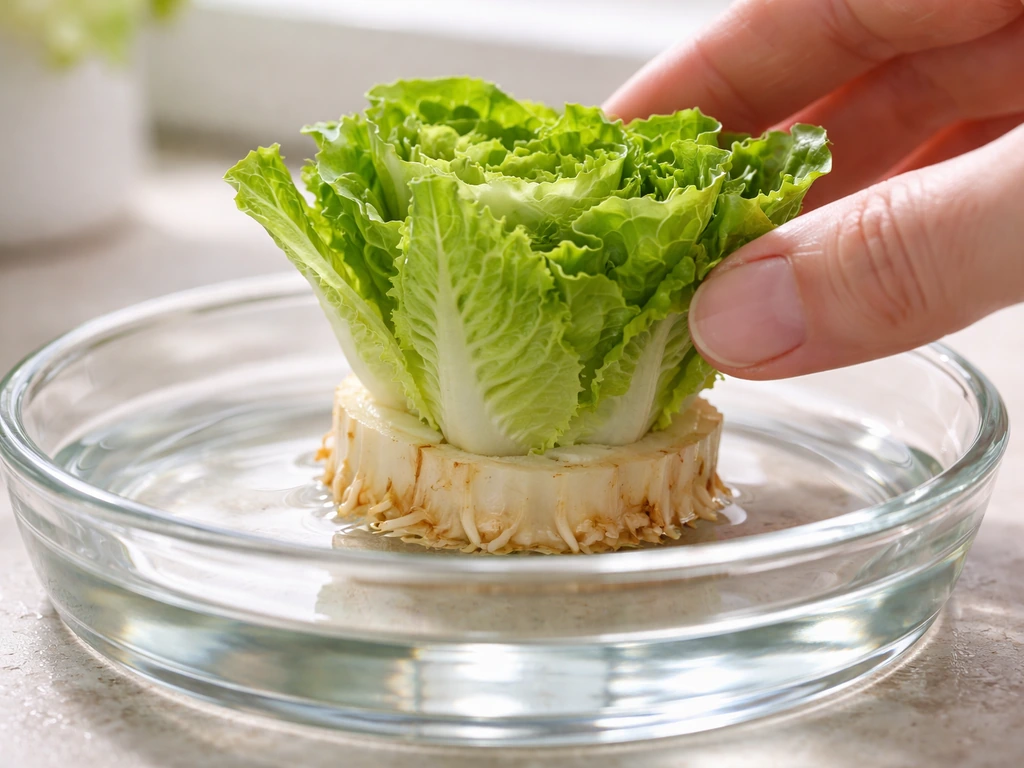
The first and most practical method is base regrowth, sometimes called the stump or root-crown method. You cut the lettuce head off and leave a short stub of the stem (the base) with the root crown attached. That base still has energy stored in it and growing points at the center, so when you place it in shallow water, it pushes out new leaves from the middle. This is the method behind popular tutorials on regrowing store-bought romaine in a glass of water, and it genuinely works, you're not starting a new plant from scratch, you're reactivating the growth center of an existing one.
The second method is rooting a stem cutting, taking a piece of the stem itself and trying to get it to produce roots so it becomes a new plant. For most vegetables this is a stretch, and lettuce is no exception. Lettuce can grow from cuttings in the sense of base regrowth, but true stem-cuttings are unreliable can lettuce grow from cuttings. Lettuce stems are soft and water-filled, which means they rot quickly rather than callusing and rooting the way woody plants do. It can occasionally work with a very fresh, healthy cutting placed immediately in water, but it's unreliable. If your goal is propagating lettuce vegetatively, the base regrowth method is the one worth your time. It's also related to the broader question of whether you can grow lettuce from store-bought heads or scraps, the answer in all those cases points back to this same base-in-water approach. So yes, you can grow lettuce from lettuce, but it works best when you use the cut base and regrow it in water whether you can grow lettuce from store-bought heads or scraps.
Step-by-step: how to regrow lettuce from the stem base
What you need
- A lettuce head with at least 1 to 2 inches of base intact (romaine works best; loose-leaf varieties also work but with more variable results)
- A shallow dish, bowl, or mug — something wide enough to hold the base upright
- Clean room-temperature water
- A bright windowsill or grow light
- Optional: small container with potting mix for transplanting once roots appear
Prepping the base
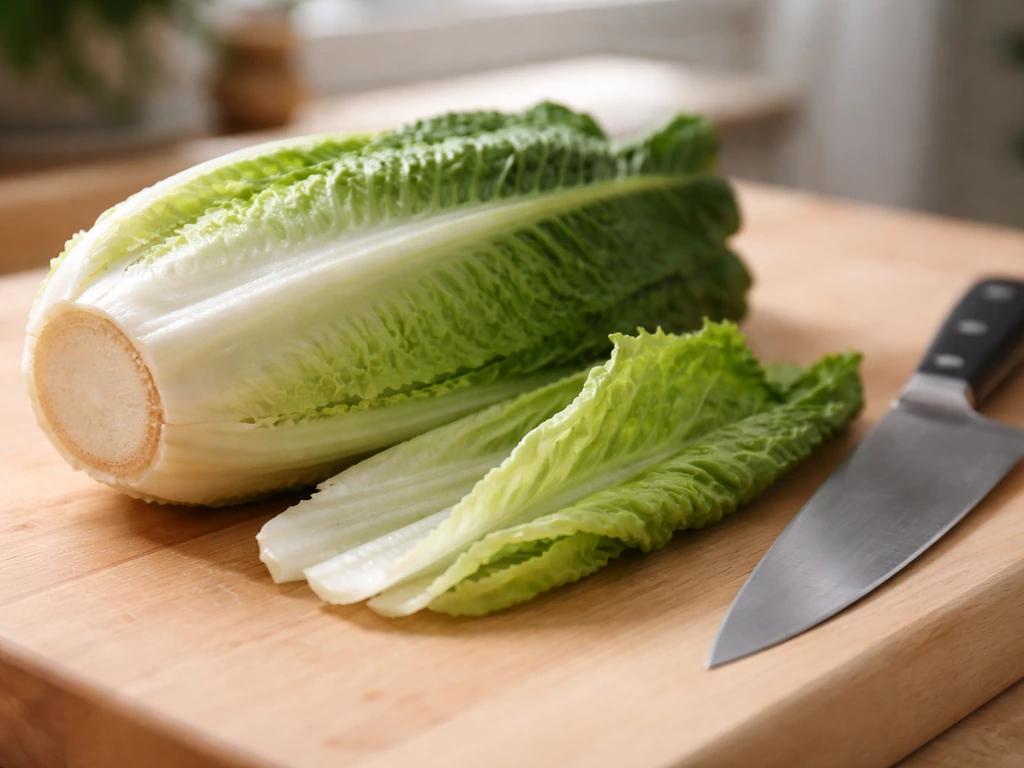
- Cut straight across the lettuce head, leaving 1 to 2 inches of stem base. You want that firm, whitish root crown at the bottom — that's where the new growth comes from.
- Peel off any outer leaves that are wilted, slimy, or damaged. You want clean, intact tissue around the base so rot doesn't spread inward.
- If you're attempting to root a stem cutting (rather than a base), cut a healthy side stem about 3 to 4 inches long, strip the lower leaves, and place it immediately in water. Know that success is less predictable with this approach.
- Let the cut base sit out for 15 to 20 minutes to dry slightly before placing in water — this helps reduce the chance of immediate bacterial rot at the cut surface.
Setting up the water regrowth
- Place the base cut-side down in your dish. Add clean, room-temperature water to a depth of about half an inch to 1 inch — just enough to cover the very bottom of the base. Do not submerge the whole base or the center growing point.
- Set the dish in a bright spot — a south- or east-facing windowsill is ideal. You need real light here, not just ambient indoor light.
- Change the water every 1 to 2 days. This is the single most important rot-prevention step. Stagnant water gets cloudy and bacterial quickly, and that kills the base before it has a chance to root.
- Watch for small white roots emerging from the bottom of the base and tiny new leaf tips pushing up from the center. Roots usually appear within 3 to 5 days; visible new leaves follow within a week.
Moving to soil (optional but recommended for a longer harvest)
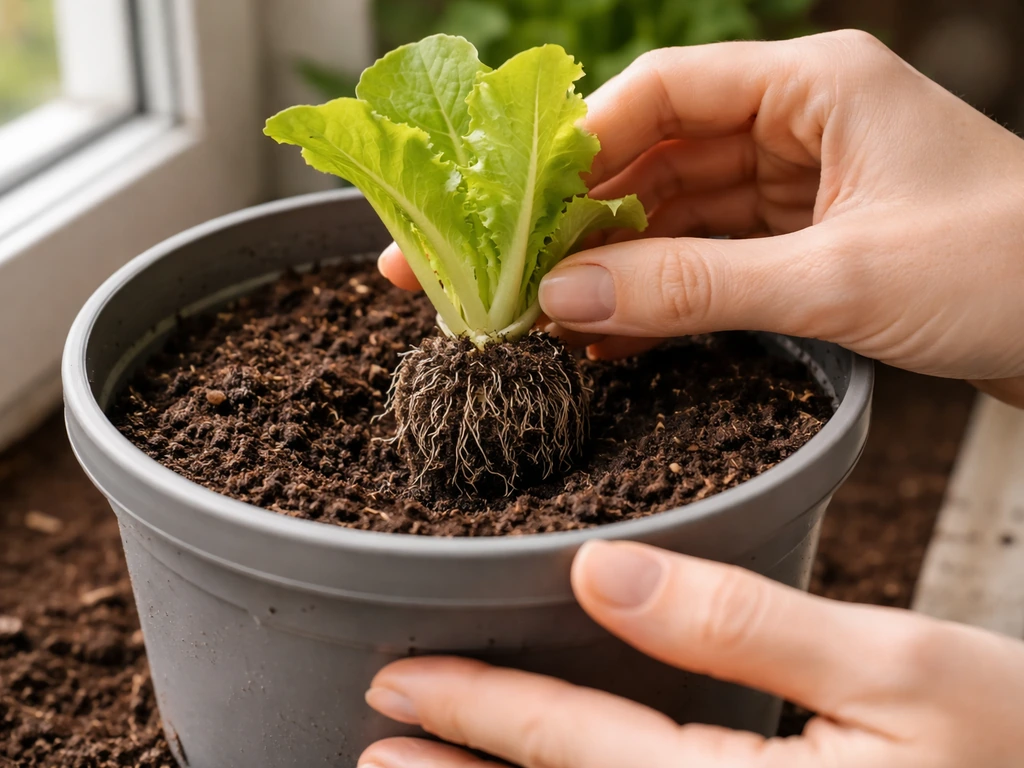
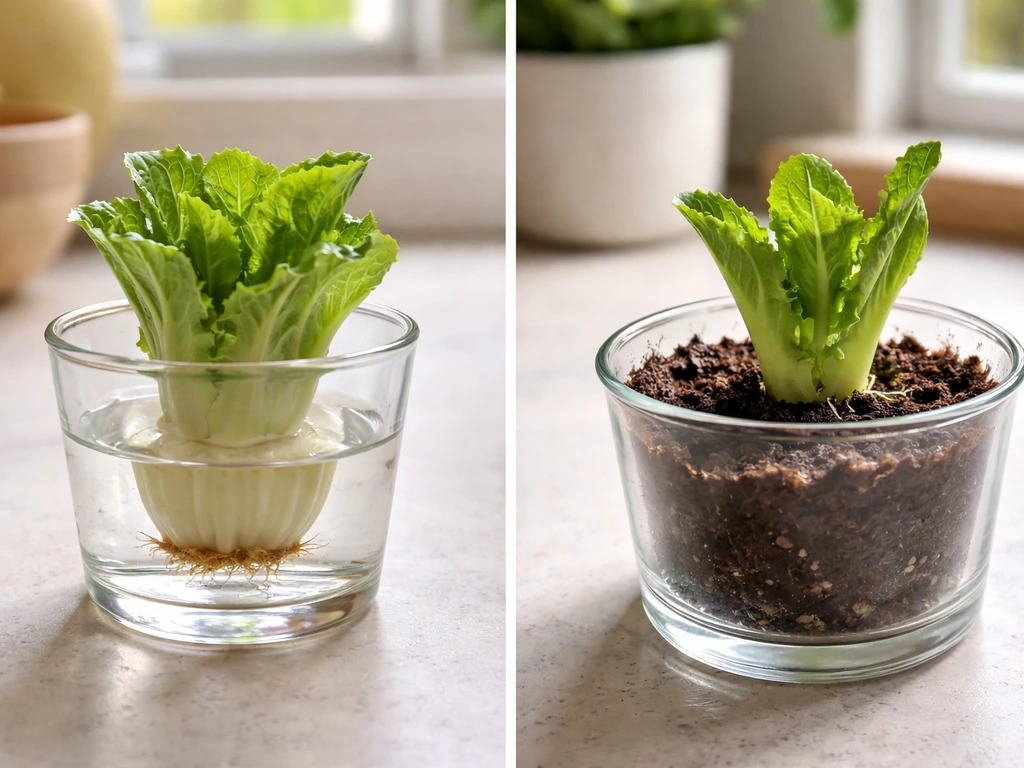
- Once roots are at least half an inch long, the base is ready to transplant into potting mix.
- Use a container at least 6 to 8 inches deep with drainage holes. Fill with moist, well-draining potting mix.
- Plant the base so the root crown sits just at or slightly below soil level. The center growing point should remain above the soil surface.
- Water gently and keep the soil consistently moist but not waterlogged. Within a few days, new leaves should continue pushing up and the plant will establish properly.
- Space transplanted bases about 8 to 10 inches apart if you're planting more than one, or use one per 6-inch container.
Conditions that actually make this work
Temperature
Lettuce is a cool-weather plant and that applies to regrowth just as much as to starting from seed. The sweet spot is 60 to 70°F. Aim to keep your regrowth setup at or below 75°F, once daytime temperatures climb above that, lettuce starts thinking about bolting (sending up a flower stalk), which basically ends your harvest window. Above 80°F, growth stalls or the plant bolts almost immediately. If you're doing this indoors in summer, keep it away from heat vents and sun-warmed south-facing windows that get too hot in the afternoon.
Light
Lettuce needs real light to regrow well. Outdoors, 6 to 8 hours of direct sunlight per day is the target. Indoors, a sunny south- or west-facing window helps, but if your light is weak or you're only getting 4 hours or less, your regrown lettuce will stretch, go leggy, and produce pale, thin leaves. For indoor setups, a basic grow light set to run 12 to 14 hours a day makes a significant difference and keeps growth compact and productive.
Water and humidity
During the water-dish phase, fresh water every one to two days is non-negotiable. Once transplanted to soil, keep the mix consistently moist, lettuce has shallow roots and dries out quickly, especially in containers. Don't let it sit in standing water, but don't let it dry out completely either. Lettuce likes moderate humidity; if your indoor air is very dry in winter, a light misting or a tray of water nearby can help.
How long it takes and when to harvest
| Stage | Timeframe | What to look for |
|---|---|---|
| First roots appear | 3 to 5 days | Tiny white root nubs at the base bottom |
| New leaves visible | 5 to 7 days | Small leaf tips pushing up from the center of the base |
| Harvestable new leaves (water method) | 10 to 14 days | Leaves reach 2 to 4 inches tall |
| Established in soil after transplant | 1 to 2 weeks post-transplant | Plant stands firm, new leaves growing steadily |
| Ongoing harvest from soil-transplanted base | 3 to 5 weeks total | Cut outer leaves as needed, leaving center to keep growing |
If you keep the base in water without transplanting, expect one good flush of leaves, maybe two if conditions are ideal, before the base runs out of stored energy or bolts. Transplanting to soil extends the plant's productive life considerably. Harvest by snipping outer leaves and leaving the center intact, which lets the plant keep producing. Don't wait too long to harvest once leaves look full-sized, lettuce left too long in warm conditions gets bitter and bolts quickly.
When things go wrong: troubleshooting common failures
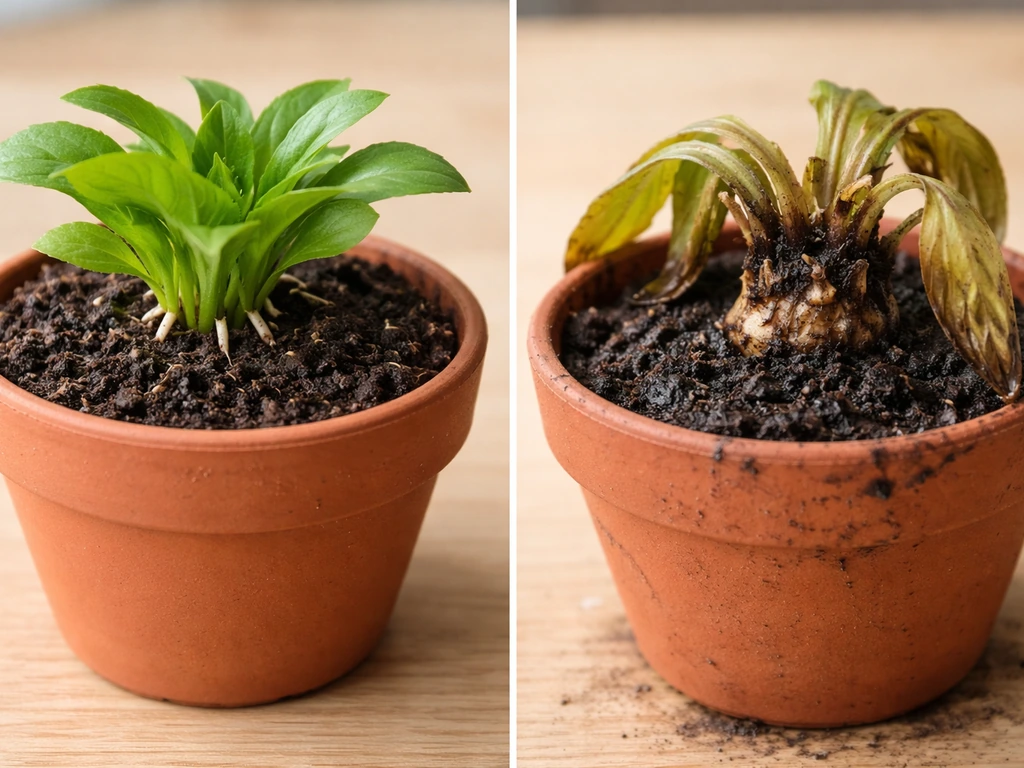
The base is rotting
This is the most common failure, and it almost always comes down to too much water or stagnant water. One Reddit user reported that blank" rel="noopener noreferrer">by day 7 the lettuce stem started to rot and the water turned murky, which matches a common rot-related failure mode during regrowth. If the base smells bad or turns mushy within a few days, you probably had the water too deep (covering the growing center), or you didn't change it often enough. Biology Insights also recommends changing the water daily, or at least every other day, to help prevent bacterial growth and slime that can cause the base to rot blank" rel="noopener noreferrer">didn't change it often enough. Fix: trim away any soft, brown tissue with a clean knife, reduce water depth to just half an inch, and start changing it every day. If the whole base is mushy, it's gone, start fresh with a new base.
No roots after a week
If roots aren't showing after 7 days, check the temperature and light. A cold, dark spot slows root formation significantly. Move the dish somewhere warmer (but not above 75°F) and brighter. Also make sure the base was cut cleanly and isn't sitting in old, cloudy water. Some bases, especially from older heads or varieties other than romaine, just don't root well. It's worth trying a fresher head.
Growth is leggy and weak
If new leaves are growing tall and spindly instead of compact and upright, the problem is almost always insufficient light. Long internodes and pale color are classic signs of a plant stretching toward a light source it can barely reach. Move closer to the window or add a grow light. There's no fixing leggy growth after the fact, the leaves won't firm up, but the next set of leaves will be better once light improves.
The plant bolted before you got a good harvest
Bolting, when a tall flower stalk shoots up from the center, happens when lettuce gets too warm or experiences temperature swings. Once a plant bolts, you can't reverse it. The leaves get bitter and the center is gone. If you're regrowing in spring or fall this is rarely a problem, but in summer it can happen fast, especially indoors near a warm window. The fix is prevention: keep temperatures below 75°F and harvest promptly as soon as leaves reach a usable size rather than waiting for them to get bigger.
The stem cutting didn't root
If you tried rooting a leafy stem cutting rather than a base, honest answer: this often just doesn't work with lettuce. The stems are too soft and wet to callus properly. Your best move is to switch to the base regrowth method, which is far more reliable. If you want to keep experimenting with cuttings, use the freshest possible stem, strip lower leaves immediately, place in water right away, and keep conditions cool and bright, but manage your expectations.
Growing indoors vs. outdoors
Indoors (containers and water dishes)
Indoor regrowth is where this method is most popular, and it works well as long as you handle light and temperature correctly. Start your base in a dish on the brightest windowsill you have, and if natural light is inconsistent or weak, use a simple grow light on a 12 to 14 hour timer. When you transplant to soil, choose a container at least 6 to 8 inches deep with drainage holes, lettuce roots need room and drainage is critical to prevent rot. A 2-quart or larger pot works fine for one plant. Keep the plant away from heating vents, radiators, and warm south-facing windows that overheat in summer. Indoor lettuce growing is also very compatible with a simple hydroponic-style setup: once your base has visible roots, you can keep it in a water container with a small amount of diluted liquid fertilizer instead of transplanting to soil, essentially running a low-tech hydroponic system on your counter.
Outdoors (garden beds and patio containers)
Outdoors, lettuce regrowth works beautifully in spring and fall when temperatures stay reliably between 55 and 70°F. If you're transplanting a rooted base into a garden bed, space each plant 8 to 12 inches apart in rows about 12 to 18 inches apart. In containers on a patio or balcony, one plant per 6-inch container or two to three plants in a 12-inch container gives them enough room. Give them a spot with morning sun and afternoon shade if you're in a warmer climate, afternoon heat is what triggers bolting. In summer, regrowth outdoors often fails quickly because of heat, so this method is best timed for cooler seasons. If you're interested in regrowing from specific types of scraps like iceberg or store-bought heads, the same base regrowth principles apply, just with varying success rates depending on the variety. Iceberg lettuce is a great candidate for this same base-in-water approach, and you can usually get solid regrowth if you keep the water depth and temperature right.
FAQ
What part of the lettuce should I keep when I’m trying to regrow it from the stem?
Keep the root crown (the center where leaves emerge) attached to a short stump, about 1 to 2 inches tall. If you only save leafy stem without that crown, you are no longer doing true regrowth and success drops sharply.
How much water should be in the dish, and should the cut base be fully submerged?
Use shallow water, roughly half an inch deep, so the base contacts moisture but the center growing points stay above the waterline. Fully submerging the crown is a common rot trigger.
Do I need to change the water even if it looks clear?
Yes. Clear water can still go stagnant and deprive the cut base of oxygen. Change every 1 to 2 days during the water phase, and use the same shallow depth each time.
Can I use cold or chlorinated tap water for regrowing?
You can, but let very cold water warm to room temperature first to avoid temperature shock. If your tap water is heavily chlorinated, letting it sit for a short time can reduce harshness on the cut surface.
Should I rinse the base or remove slimy tissue if it starts to smell?
If you notice bad odor or mushiness, don’t keep the setup as-is. Trim away soft, brown tissue with a clean knife, then restart with fresh water and correct depth. If the whole base turns mushy, start over.
When roots appear, how do I know they’re ready to move to soil or stay in water?
Wait until you see at least about half an inch of healthy roots before transplanting. If you keep it in water, continue providing aeration and fresh water, and expect the plant to be shorter-lived than in soil.
How long can I expect regrown lettuce to keep producing leaves?
Typically one strong flush if you keep it in water, sometimes a second under ideal conditions. Transplanting to soil usually extends productivity because shallow roots have a more stable moisture supply.
Is it normal that the first leaves look smaller or rough?
Yes, early regrowth can be smaller as the center reactivates. Leaf quality improves after the plant settles, but if leaves consistently get pale and thin, it is almost always a light issue.
How do I prevent bolting during hot weather while regrowing indoors?
Use temperature control, keep the setup away from warm windows, heaters, and vents, and harvest outer leaves promptly when they are usable. If your room frequently exceeds the mid-70s°F range, the regrowth may bolt before it becomes a full harvest.
What causes lettuce to taste bitter after regrowth?
Bitter flavor usually comes from warm conditions, waiting too long to harvest, or letting leaves mature past peak size. Keeping temperatures cooler and harvesting on time reduces bitterness substantially.
Why is my regrowth getting tall and thin, even though it has leaves?
That is classic stretching from insufficient light. Leggy growth cannot be corrected after the fact, so move it closer to a bright window or add a grow light and let the next leaves form under better light.
Can I regrow lettuce in a shaded balcony or low-light room?
Low light will reduce quality and cause leggy growth. If natural light is under about 4 to 6 hours, a grow light on a timer (around 12 to 14 hours) is usually the practical fix.
Do I need fertilizer during the water phase?
Usually no for the short water-dish phase, since you are relying on stored energy in the base. Once roots are established and you continue growing longer in water, a diluted liquid fertilizer can help, but start lightly to avoid algae and residue.
What container size and drainage should I use after transplanting?
Choose a container at least 6 to 8 inches deep with drainage holes. Lettuce roots are shallow and rot-prone if water pools, so potting mix should stay moist but never soggy.
How far apart should I plant regrown lettuce outdoors or in a bed?
Space plants about 8 to 12 inches apart, with rows roughly 12 to 18 inches apart. Crowding reduces airflow and can worsen heat stress, which increases bolting risk.
Does this work with iceberg lettuce, or only romaine?
Base-in-water regrowth can work with iceberg too, but success is more consistent with romaine. If one head fails to regrow, try a fresher head or switch varieties rather than repeating the same unsuccessful setup.