You can grow lettuce from lettuce, but with a clear-eyed expectation: rerooting a cut lettuce base in water will give you a flush of small leaves, not a full new head. It works, it's satisfying, and it's genuinely useful for getting a quick handful of fresh greens. But if you want consistent, productive lettuce, starting from seed is still the more reliable route. Both methods are worth knowing, and this guide walks you through exactly how to do each one.
Can You Grow Lettuce From Lettuce? Rerooting Steps
Marcus Holloway
2 May 2026
What actually works (and what doesn't)
When people ask whether you can grow lettuce from lettuce, they usually mean one of two things: rerooting a cut head or base in water, or somehow cloning a plant from a leaf. Lettuce can also be grown from cuttings by rerooting the cut base in water, as long as the crown stays fresh grow lettuce from cuttings. Let's be direct. Rerooting the cut base works, within limits. Individual leaves pulled off the plant will not grow into new plants. The magic is in the stem base, specifically the growing point at the center, sometimes called the crown or core. As long as that center is intact and still fresh, it can push out new leaves and even grow roots.
The honest yield expectation from rerooting: you'll get a small flush of tender leaves over about 10 to 12 days of water regrowth, and they'll be smaller and fewer than what came off the original head. Think of it as a bonus harvest rather than a full crop replacement. Store-bought lettuce works for this too, which is worth exploring on its own, and so does regrowing from just the stem if you've cut it from a garden plant. If you are wondering how to grow lettuce from store bought, use the same idea: start with a fresh stem base and keep the center intact for regrowth Store-bought lettuce works for this too.
Seeds vs. rerooting: which should you start with?
Seeds are still the gold standard for growing lettuce. Germination happens in as few as 3 days under good conditions, though it can stretch to 15 days depending on temperature and seed freshness. The sweet spot for germination is 55 to 70°F, and once you're past that stage, most varieties reach harvest in 40 to 80 days depending on type. Loose-leaf varieties are the fastest; head types like romaine and butterhead take longer. Seed-grown lettuce gives you full-sized, productive plants with none of the variability that comes with rerooting.
Rerooting is a great option when you have a cut head on hand and want to experiment, or when you want to extend a harvest rather than starting from scratch. The main failure point is the freshness of the base. A head that's been sitting in your fridge for a week or two may have a dried-out or damaged crown, and if the growing point isn't viable, nothing will regrow. Fresh is essential.
| Method | Success Rate | Time to First Leaves | Final Yield | Best For |
|---|---|---|---|---|
| From seed | High and consistent | 3 to 15 days to sprout, 40 to 80 days to harvest | Full productive plant | Anyone wanting reliable, ongoing lettuce |
| Rerooting base in water | Moderate, depends on freshness | New leaves in a few days, peak at 10 to 12 days | Small flush of tender leaves | Using up a cut head, quick experiment |
| Individual leaf cutting | Does not work | N/A | None | Not recommended |
How to reroot lettuce step by step
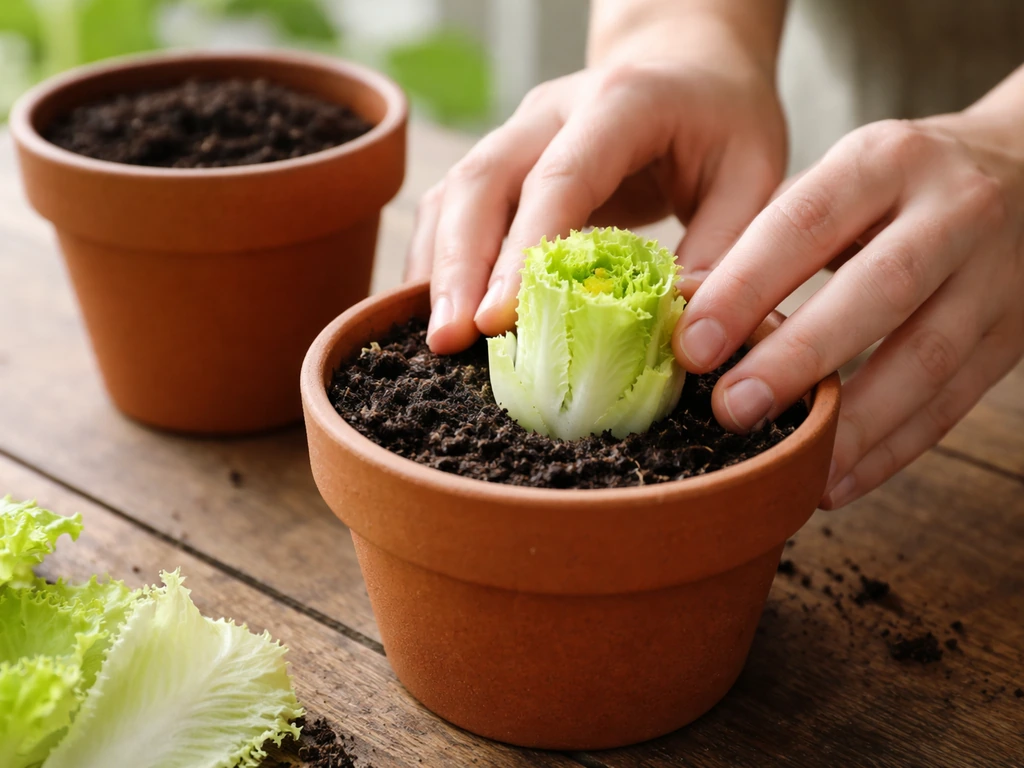
This method works with heads you've bought from the store, heads you've harvested from your garden, or even just the stem left over after cutting. The process is simple but a few details make the difference between success and a slimy, rotting mess.
Choose the right base
Start with a fresh lettuce head. Cut it about 1 inch (2.5 cm) up from the bottom so you're keeping the base intact with the crown center visible. Avoid heads where the center looks brown, mushy, or dried out. Romaine and butterhead varieties tend to reroot more reliably than iceberg, which has a very compact, tightly packed crown that can struggle.
Set up the water dish
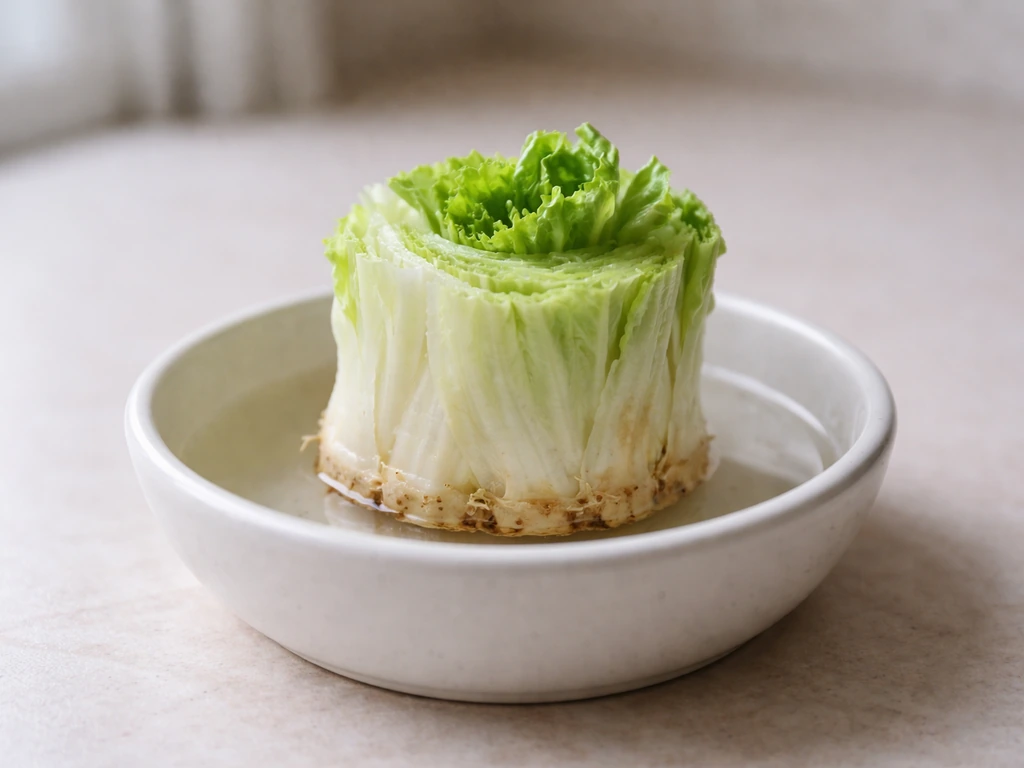
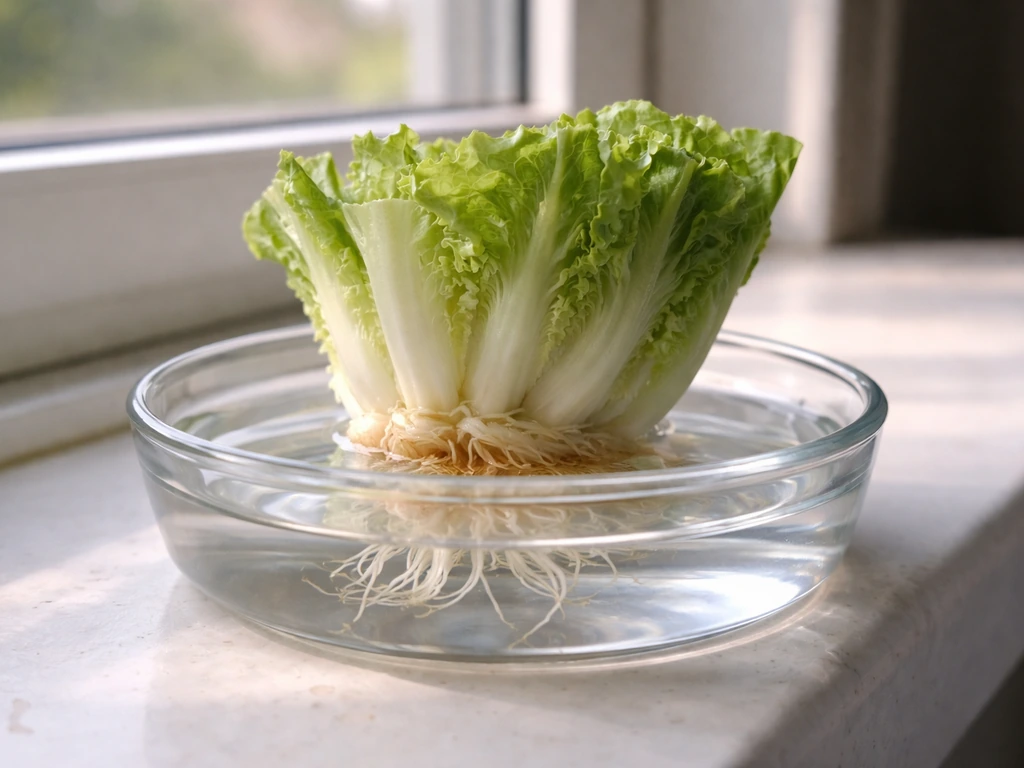
- Place the cut base cut-side down in a shallow dish or bowl.
- Add just enough water to cover the very bottom of the base, about 1/2 inch (1 cm) deep. The cut surface should be submerged, but the crown center should sit above water.
- Set the dish in a spot with bright indirect light, like a windowsill that gets a few hours of sun but not direct scorching afternoon rays.
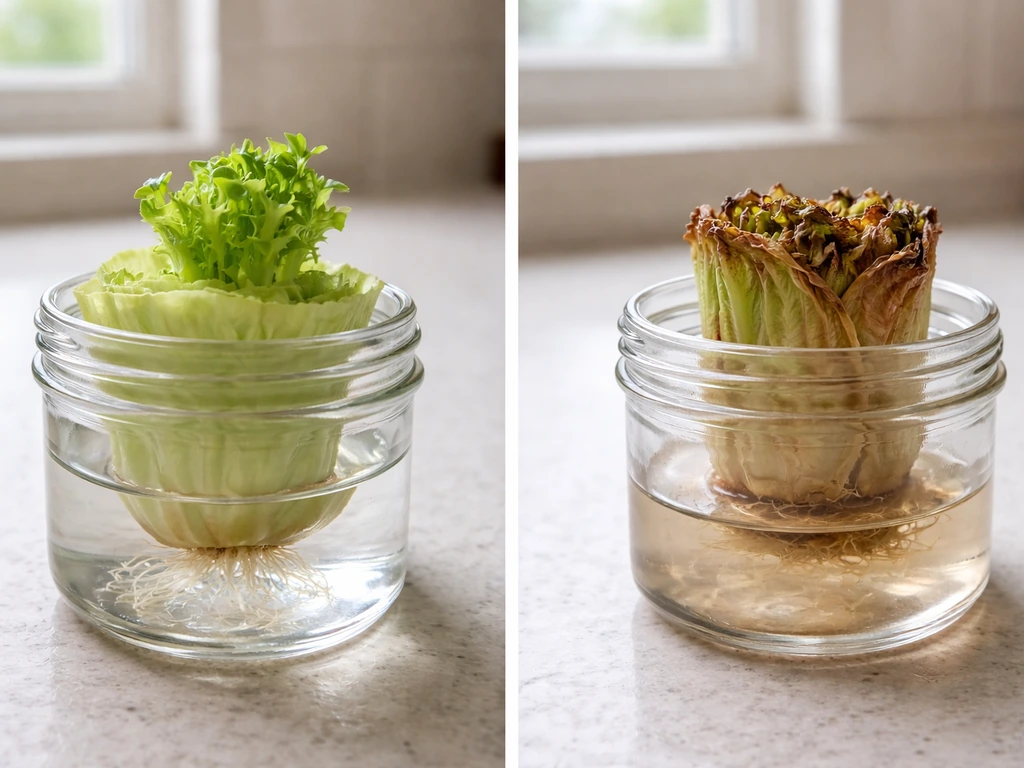
- Change the water every day or every other day. This is the most important step for avoiding rot and mold. Do not skip it.
- Watch the center. Within a couple of days you should see tiny new leaves pushing up from the crown. Roots will start appearing from the base around the same time or slightly after.
What to expect and when
In about 2 to 3 days, you'll see the first signs of new leaf growth from the center and possibly tiny root nubs at the base. By day 10 to 12, the leaves will be as large as they're going to get in water. Once your roots are visible and at least half an inch (1 to 1.5 cm) long, you have the option to transplant into soil for continued growth, though many people just harvest the water-grown leaves right there and call it a success.
Moving to soil: containers, spacing, and setup
If you want to take the rerooted base further, or if you're starting fresh from seed, growing in soil gives your lettuce a proper life. Lettuce is one of the most container-friendly vegetables out there, which makes it ideal for apartment balconies, windowsills, or outdoor patios.
Containers and soil
Go bigger than you think you need. A deeper, wider container holds more soil, retains moisture longer, and lets roots spread, which matters because container roots can't seek out nutrients the way garden bed roots can. A 6 to 8 inch deep container works for loose-leaf types. Aim for a well-draining potting mix, and target a soil pH between 6.0 and 6.8 for best results. Lettuce is not heavy on fertilizer needs, but a balanced all-purpose fertilizer at planting and again mid-growth doesn't hurt, especially in containers where nutrients wash out faster.
Transplanting a rerooted base
Once roots are half an inch or longer, nestle the rerooted base into moist potting mix so the roots are covered but the crown sits just at or slightly above soil level. Water gently. If you're moving a rooted base outdoors, give it a few days of sheltered outdoor time before full sun exposure, morning sun only to start. This reduces transplant shock significantly.
Spacing and light
If you're growing multiple plants, give heading types like romaine and butterhead about 12 inches apart. Loose-leaf varieties can go a bit closer, around 6 to 8 inches. Lettuce needs at least 4 to 6 hours of direct light daily, but it actually prefers cooler, partially shaded conditions over scorching afternoon sun. Indoors, a south or east-facing window works well. If natural light is limited, a basic grow light set to 12 to 14 hours per day will do the job.
Watering
Keep the soil consistently moist but never waterlogged. In containers especially, check moisture daily by pressing a finger an inch into the soil. If it feels dry at that depth, water thoroughly until it drains from the bottom. Morning watering is best, particularly for outdoor plants. Uneven watering, going too wet then too dry, stresses the plant and can speed up bolting.
When to harvest and how to avoid bolting
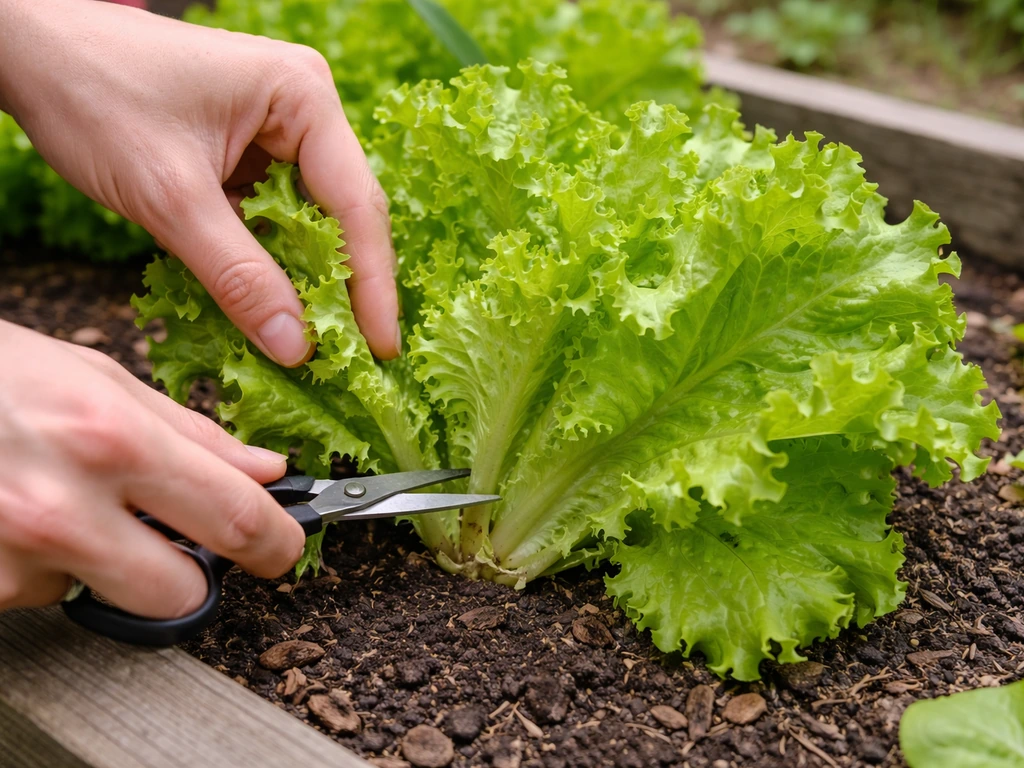
Loose-leaf lettuce is ready to harvest when outer leaves are large enough to eat, usually starting around 30 to 45 days from transplant or seed. Cut outer leaves from the base and leave the center growing for ongoing harvests. Heading types need more time, often 60 to 80 days, and you harvest the whole head when it feels firm and full.
Bolting is the main threat to lettuce, especially as days get longer and temperatures climb in late spring and early summer. When lettuce bolts, it sends up a flower stalk, leaves turn bitter, and the harvest window closes fast. The Purdue Master Gardener Vegetable Encyclopedia notes that lettuce bolting can make the leaves bitter as it begins to flower, so timing and heat management can help delay bolting leaves turn bitter. The triggers are long days and high temperatures, and often they happen at the same time, which is a double hit. If you see a center stalk starting to elongate and shoot upward, harvest all the leaves you can immediately. Move potted plants to a cooler, shadier location to slow the process.
Preventing bolting before it starts
- Plant lettuce in early spring or fall when temperatures are cool and days are shorter.
- Use succession planting: sow a new small batch every 2 to 3 weeks to always have young plants in the cool-weather sweet spot.
- Provide afternoon shade using taller plants, a shade cloth, or a sheltered east-facing spot.
- Harvest regularly. The more you pick, the longer the plant stays in productive leaf mode.
Troubleshooting common problems
| Problem | Likely Cause | What to Do |
|---|---|---|
| No new growth from base in water | Crown was damaged or base was too old and dried out | Start with a fresher head; check that the center growing point looks intact and pale green |
| Base is rotting or slimy in the dish | Water too deep, not changed often enough, or base fully submerged | Keep only 1/2 inch of water, change it daily, and make sure the crown sits above the waterline |
| Slow or stunted growth after transplanting | Transplant shock, poor soil, or too little light | Harden off gradually, water consistently, and verify the plant is getting at least 4 to 6 hours of light |
| Leaves are bitter | Plant has bolted or is heat-stressed | Harvest remaining leaves immediately; for next round, plant earlier in the season or provide more shade |
| Leggy, pale seedlings from seed | Insufficient light | Move closer to a window or add a grow light; thin seedlings so they aren't competing |
Growing lettuce from a cut base is a genuinely satisfying experiment, and it can produce real, edible results within two weeks. The key is being realistic about what you'll get and then deciding whether to keep going in soil or simply enjoy the quick bonus leaves from water. For ongoing fresh lettuce, pair this trick with a seed-grown succession so you always have something at harvest stage. That combination, a rerooted base for the short game and seeds for the long game, is honestly the most practical approach for any home grower.
FAQ
Can you grow lettuce from a lettuce leaf (leaf-only), like you would with some herbs?
Yes, but it is usually slower and less reliable than rerooting the cut stem base. Only the intact crown, the central growing point, has the tissue that can restart. If you try leaf-only propagation, keep expectations low because lettuce leaves typically do not form a new crown.
Why does my lettuce base turn slimy or smell bad in water?
Temperature matters. If your water is in a warm room, the cut base can rot before it can regrow. Use cool to moderate room temperatures, change the water daily, and trim off any brown, mushy edges before placing the base back in fresh water.
How long should it take to see results when rerooting lettuce from lettuce?
If you do not see new growth within about 2 to 3 days, it is often because the crown is already damaged or dried out. Check that the center is still green and firm, not brown or hollow, then try again with a fresher head rather than waiting indefinitely.
Do I need to use special water (filtered, dechlorinated) for rerooting lettuce?
Clean, chlorinated water can sometimes slow regrowth if you never refresh it, because oxygen drops and microbial growth increases. Refresh the water daily, and keep the crown above the waterline so the growing point stays healthy.
Can I transplant my water-rooted lettuce base into soil, and where should the crown sit?
You can, and it often improves survival, but the crown must stay at or just above soil level. If you bury the crown too deep, it can rot. Cover the roots fully, settle the base gently, and water just enough to keep the mix evenly moist for the first week.
What is the best way to move rerooted lettuce outdoors without stressing it?
Start with the roots and crown already established, then harden off over 3 to 5 days. Begin with a few hours of gentle outdoor conditions (morning sun or shade), then gradually increase exposure. This reduces wilting and bolting caused by sudden heat.
Can I regrow lettuce from lettuce indoors year-round?
It is possible, especially for small flushes, but you need enough light and a wide container. Leaf regrowth in water is limited by the plant’s stored energy, so the most reliable indoor setup is to transplant once roots are at least about 1/2 inch long and then use consistent cool light.
How do I harvest rerooted lettuce for repeated pickings without losing the plant?
If you want ongoing harvests, keep cutting outer leaves while leaving the center intact, and do not let the plant dry out. When you see the center stalk starting to elongate, harvest immediately and move the plant to cooler, shadier conditions to extend the window.
What can I do if my rerooted lettuce starts bolting?
Bolting usually means heat and longer days. Protect it by giving morning sun only, using shade cloth or moving pots away from hot windows, and keeping the soil consistently moist. For fast rescue, pick everything edible right away as soon as you spot the stalk.
Which store lettuce varieties are most likely to successfully regrow?
Pick varieties with a crown that looks intact and less tightly packed. Romaine and butterhead tend to reroot more reliably, while iceberg often struggles because the crown is compact and more prone to drying or damage.
How much of the lettuce should be underwater during rerooting?
Do not keep the base too submerged. Keep the crown above the waterline, and only the trimmed base section should touch water. Submerging the crown increases rot risk and reduces the chance of new leaf emergence.
Can I keep rerooting the same lettuce base multiple times to get more harvests?
Yes, but avoid continuous re-rerooting from the same base indefinitely. After a water flush, the crown typically loses vigor, and regrowth slows. If you want a steady supply, treat rerooting as a short bonus harvest and rotate in a new crown or start seed for the next cycle.