Yes, you can grow lettuce from store-bought heads, and it works better than most people expect, with one important caveat. Regrowing from the cut base of a romaine or butter lettuce head gives you fresh leaves in about 10 to 14 days, but it's more of a quick refresh than a full replacement harvest. If you want ongoing, full-size heads, you're better off saving seeds or buying a packet and starting from scratch. Both routes work, and this guide walks you through each one so you can pick what actually fits your situation.
How to Grow Lettuce From Store Bought: Step-by-Step
Marcus Holloway
2 May 2026
Can you actually regrow store-bought lettuce?
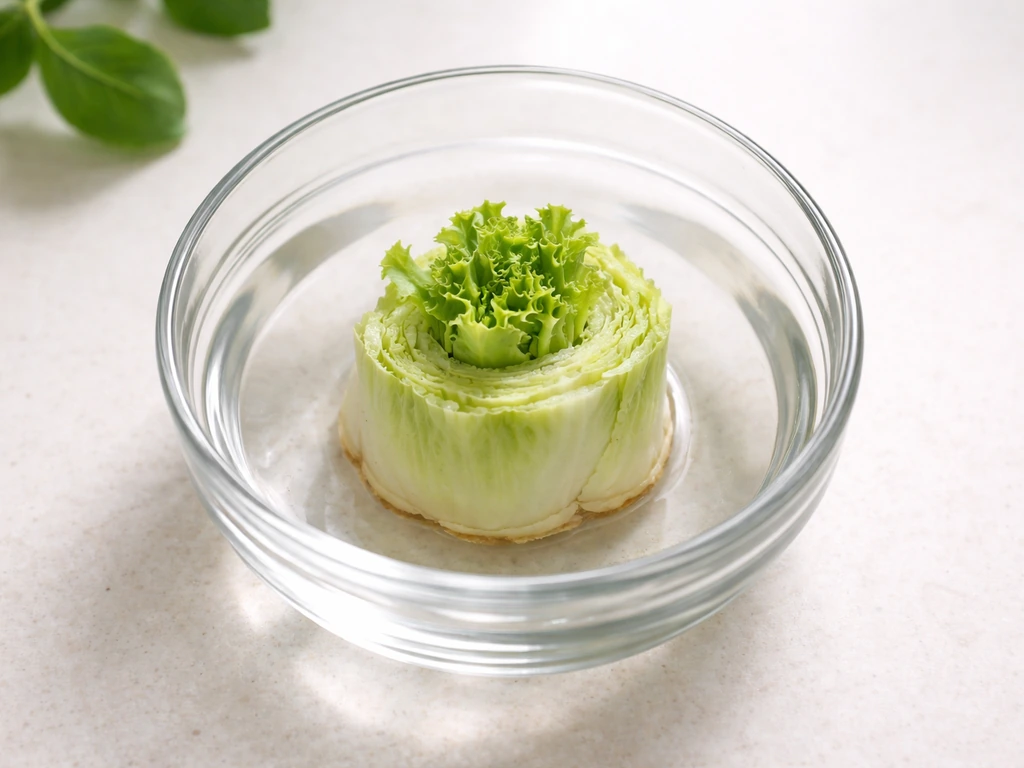
The short version: yes, but not infinitely. When you cut a romaine or butter lettuce head and leave a 2-inch base intact, the plant still has energy stored in its core. blank" rel="noopener noreferrer">Place that base in a shallow dish of water and you'll see new leaves pushing out from the center within a few days. University extension programs including Penn State and the University of Nevada-Reno both confirm that romaine and other head-form lettuces regrow reliably this way. The catch is that each regrowth cycle produces slightly smaller, less vigorous leaves. You can realistically repeat the cycle one to three times at roughly 10-day intervals before the quality drops noticeably. After that, the base is spent.
Think of it less like growing a vegetable garden and more like getting a bonus round from your groceries. It's genuinely useful for apartment dwellers or anyone who wants a handful of fresh leaves without buying another head. But if you want a reliable, repeating supply of lettuce, you'll want to transition to soil and eventually to seeds, which you can also collect from a store-bought head if it's allowed to bolt, or just buy a cheap packet.
Which lettuce types work best from the store
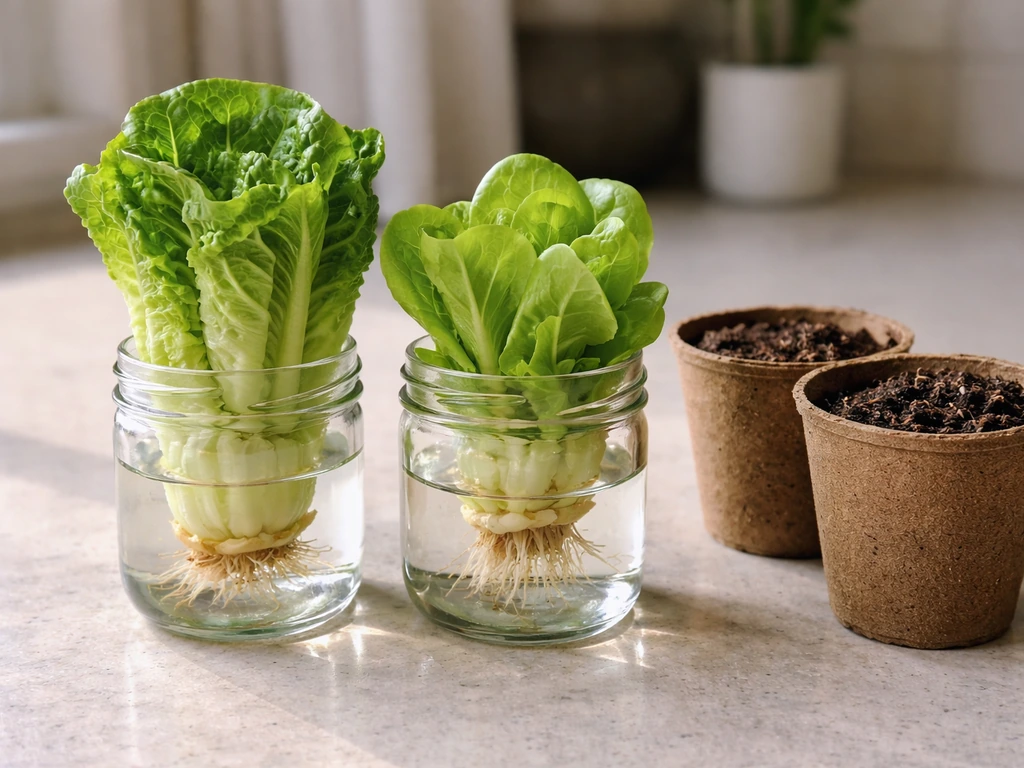
Not all store-bought lettuce regrows equally well, and knowing which types to work with saves a lot of frustration.
| Lettuce Type | Regrows from Base? | Ease of Regrowth | Best Use Case |
|---|---|---|---|
| Romaine | Yes | Excellent | Water regrowth, then pot into soil |
| Butter / Bibb | Yes | Good | Water regrowth, compact container growing |
| Loose-leaf (red/green) | Partial | Fair | Cut-and-come-again from soil, not water |
| Iceberg | Rarely | Poor | Not recommended for regrowth |
| Baby spinach / spring mix | No | Not applicable | Seed saving or buy fresh seeds only |
Romaine is the standout here. Its tightly packed core holds moisture and energy well, and it responds quickly in water. Butter lettuce (also sold as Bibb or Boston) is a close second, it regrows a bit more delicately but stays compact, which makes it ideal for small containers. Loose-leaf varieties from the store are often trimmed too aggressively to regrow in water, but if you get a head with roots still partially attached, you can sometimes pot it directly into soil and coax it back. Iceberg almost never works, its dense, tightly wrapped structure doesn't leave a viable growing point after a typical grocery-store cut. If you want to grow iceberg lettuce from scraps, you’ll need to start with a different strategy since iceberg rarely regrows from the cut base. If your goal is specifically iceberg, growing from seed is your only reliable path.
Setting up for success before you start
Containers and soil
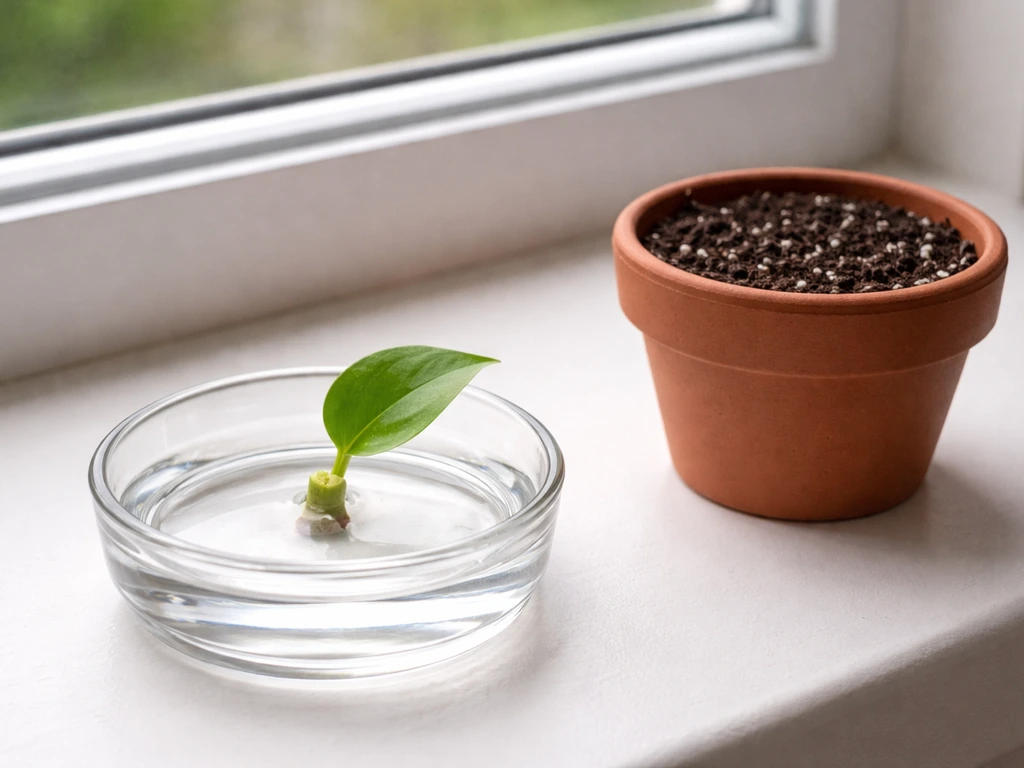
For the water-regrowth phase, you just need a shallow bowl or glass with about half an inch of water, nothing fancy. Once you're ready to move the base into soil (which extends your harvest significantly), use a pot at least 6 inches deep with drainage holes. Lettuce has shallow roots but hates sitting in waterlogged soil. Fill it with a lightweight potting mix, not garden soil, which tends to compact and drain poorly in containers. A mix that includes perlite or coco coir works well. If you're planting multiple bases or starting seeds, give each plant about 6 to 8 inches of space.
Indoor vs. outdoor growing
The water-regrowth trick works perfectly on a windowsill indoors, and lettuce is one of the most forgiving crops for indoor growing because it doesn't need full sun. For soil growing indoors, a south- or east-facing window works, but if you only have low light, a simple LED grow light for 12 to 14 hours a day will make a real difference. Outdoors, lettuce prefers cooler weather, spring and fall are ideal, with soil temperatures between 45 and 65 degrees Fahrenheit. In summer heat above 80°F, lettuce bolts (goes to seed quickly), and the leaves turn bitter. If you're starting this in late spring or summer, keep outdoor lettuce in partial shade or stick to an indoor setup.
Step-by-step: regrowing from a store-bought head
Method 1: Regrowing from the cut base (romaine or butter lettuce)
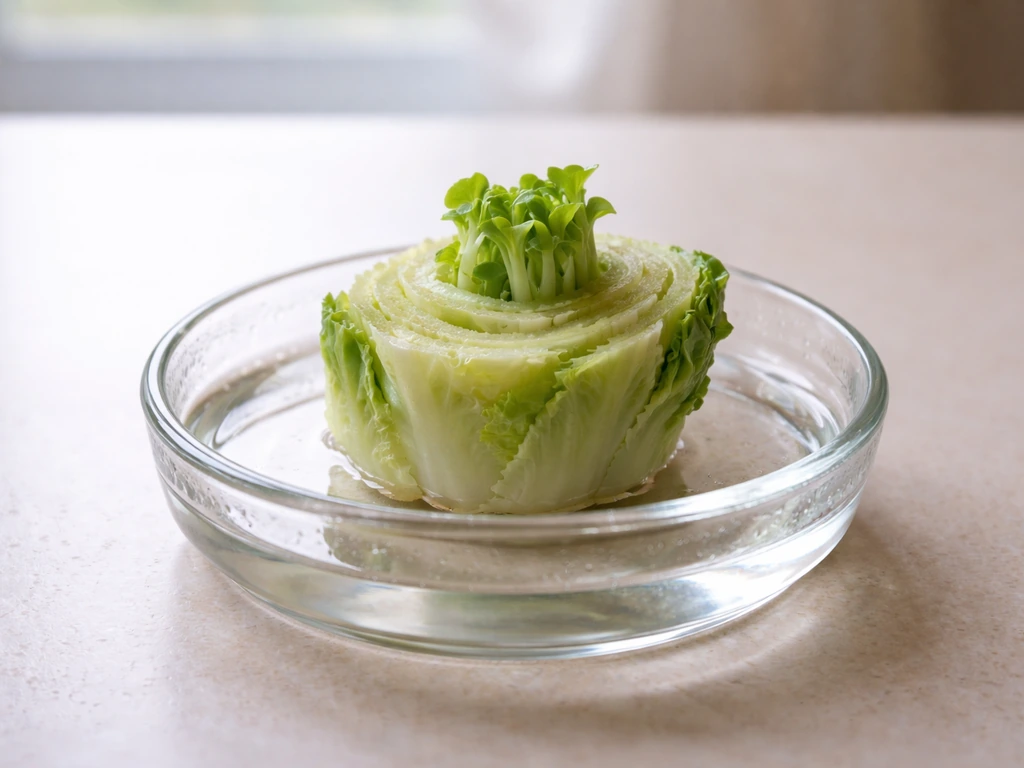
- When you use your store-bought lettuce, cut the leaves off leaving at least 2 inches of the base intact. The more base you keep, the better.
- Place the base cut-side up in a shallow bowl or glass with about half an inch of water covering just the bottom of the base. Don't submerge the whole thing.
- Set it on a windowsill with bright indirect light — direct harsh sun at this stage can dry it out too fast.
- Change the water every one to two days to prevent bacterial growth and keep it fresh.
- Within 3 to 5 days you'll see small leaves emerging from the center. Within 10 to 14 days, you'll have a usable harvest of baby leaves.
- At this point you have two choices: harvest the leaves and repeat the water cycle one or two more times, or transplant the base into a pot of moist potting mix. Transplanting into soil gives you more leaf production and extends the life of the base considerably.
- To transplant, set the base just deep enough in the soil so it's stable but not buried past the point where leaves are growing. Water gently and keep the soil consistently moist.
Method 2: Starting from seeds you saved (or bought)
If you've let a store-bought plant bolt, or you simply picked up a seed packet, starting from seed is straightforward and gives you full-size, full-quality heads. Lettuce seeds are tiny and need light to germinate, so don't bury them deep. Press them gently into moist soil and leave them barely covered or uncovered. Keep the soil surface moist (misting helps) at room temperature, around 65 to 70°F, and you'll see sprouts in 7 to 10 days. Thin seedlings to one plant every 6 to 8 inches once they're an inch tall. Seeds are a much better route if you want iceberg, a specific variety, or a continuous supply beyond what base regrowth can provide.
Light, temperature, water, and spacing
- Light: Lettuce needs 6 hours of light per day minimum, though 10 to 12 hours produces better growth. Indoors, a bright window or LED grow light works well. Avoid harsh afternoon sun in summer, which scorches leaves.
- Temperature: Best growth happens between 45 and 65°F. It tolerates light frost but suffers above 75 to 80°F. If you're growing indoors, keep it away from heating vents.
- Watering: Keep soil consistently moist but never soggy. For containers, water when the top half-inch of soil feels dry. Lettuce wilts quickly when too dry but rots even faster when overwatered. Good drainage is non-negotiable.
- Spacing: In containers, 6 to 8 inches between plants is the minimum. In raised beds or garden rows, 8 to 10 inches per head. Crowded lettuce gets poor airflow and is more prone to rot and disease.
- Humidity: Moderate humidity is fine. In very dry indoor environments, misting leaves occasionally helps, but don't let water pool in the center of a head — that causes rot.
When things go wrong: common problems and fixes
No new leaves or very slow regrowth
If you've had the base sitting in water for more than a week with almost no growth, the base was likely too old or too damaged to regenerate. Freshness matters a lot here, a head that's been sitting in your fridge for two weeks will regrow poorly compared to one you used within a day or two of buying it. The fix: buy fresh, use it quickly, and start the regrowth process the same day or the next day.
Roots not forming
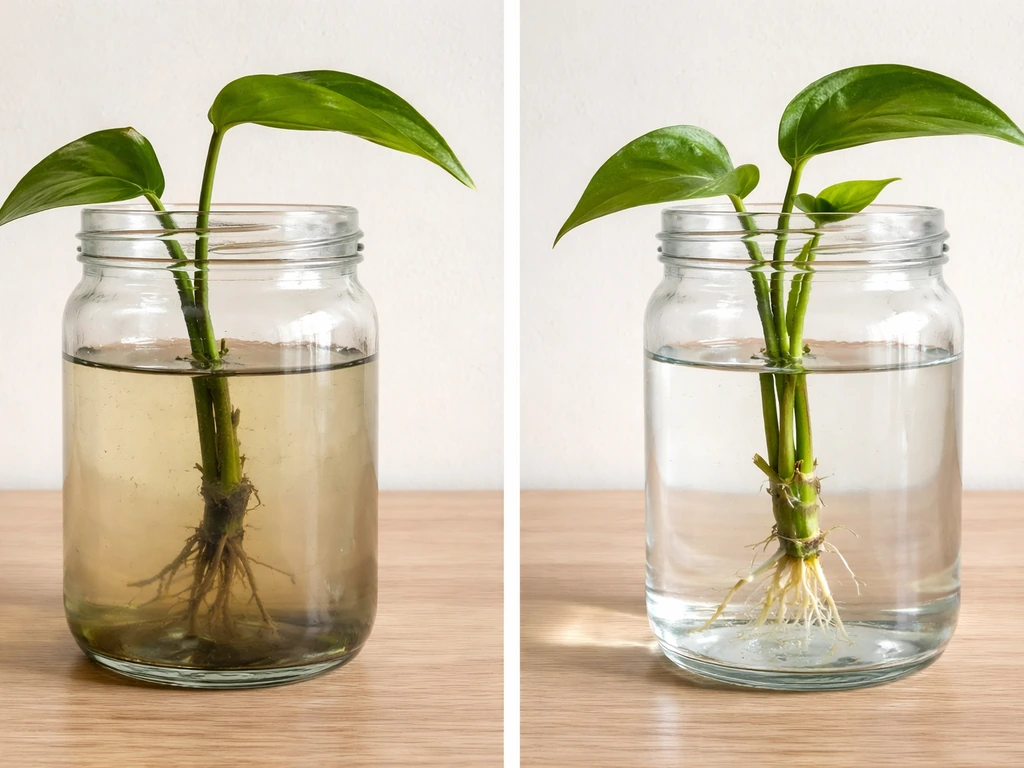
Roots don't always form visibly in the water stage, and that's okay for leaf production. If you want the plant to thrive long-term in soil, roots are helpful but not always needed before transplanting, the base will develop them once in moist potting mix. If you're not seeing any roots after 10 days and growth has stalled, the growing point may be damaged. Try trimming the very bottom of the base by a thin slice to expose fresh tissue, then restart in clean water.
Bolting (plant suddenly goes tall and bitter)
Bolting happens when lettuce gets too warm, too much light for too long, or too stressed. If your plant shoots up a tall center stalk, the leaves will turn bitter quickly and seeds will soon follow. UMN Extension notes that lettuce can taste bitter when it grows under high temperatures and may also bolt after multiple days above 75°F the leaves will turn bitter quickly. You can't reverse it, but you can harvest whatever leaves are still usable before they get too bitter. Going forward, move the plant somewhere cooler and shadier, or wait for a cooler season. Bolting is one of the most common reasons homegrown lettuce disappoints people in summer.
Yellowing leaves or rot
Yellowing outer leaves can mean overwatering, nitrogen deficiency, or low light. Check drainage first, if the soil stays wet for more than two days after watering, your container or mix isn't draining well enough. Rot at the base of the plant, especially in water regrowth setups, almost always means the water wasn't changed frequently enough or the base was submerged too deep. Keep only the bottom edge in water and change it every day or two.
Pests
Indoors, the most common pests on lettuce are aphids (tiny green or black clusters under leaves) and fungus gnats (which live in overly wet soil). For aphids, a strong spray of water or a diluted neem oil solution handles them quickly. For fungus gnats, let the top inch of soil dry out more between waterings, they thrive in constantly damp conditions. Outdoors, slugs and caterpillars are the main culprits. Check under leaves at night and use a ring of diatomaceous earth around the base of containers if slugs are an issue.
When and how to harvest for ongoing greens
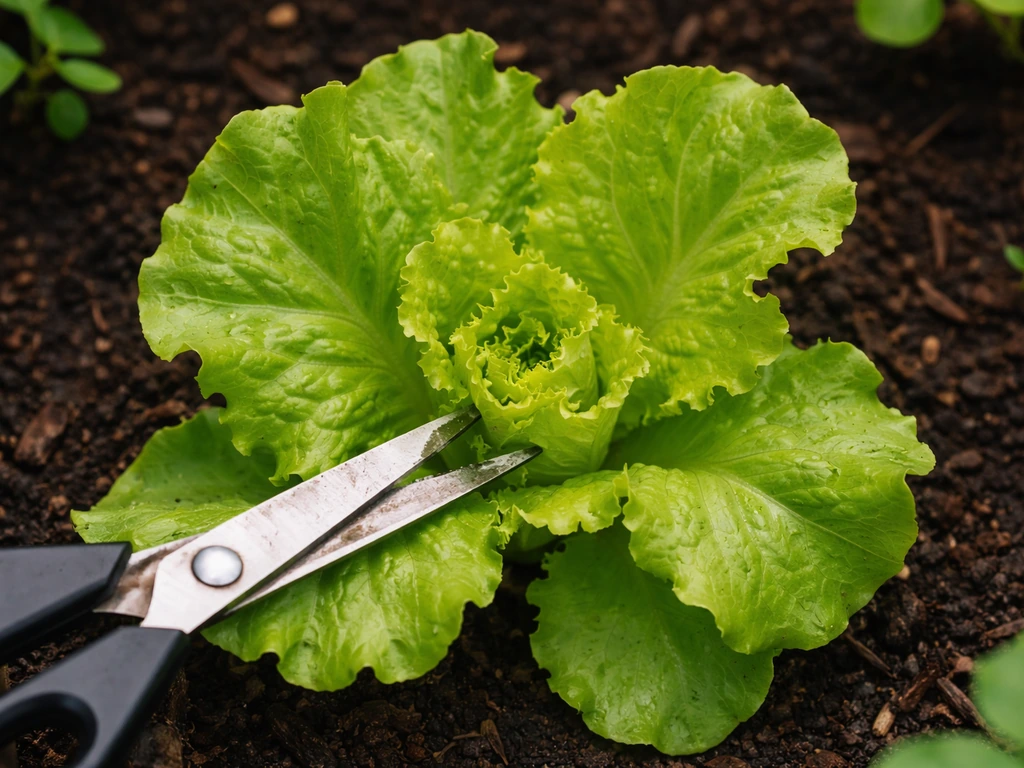
The best harvesting approach for regrown lettuce is cut-and-come-again: use scissors to snip the outer leaves first, leaving the inner growing point untouched. Take no more than a third of the plant at a time. This way the plant keeps pushing out new leaves from the center and you get multiple harvests from the same base. From water-regrown lettuce, you can usually harvest every 10 days for one to three cycles before the quality drops off, which aligns with what MSU Extension found when testing repeated regrowth intervals.
Once you've moved a base into soil, you can often extend that cycle to four or five harvests before the plant exhausts itself. At that point, start fresh with a new store-bought head or with seeds you've started in parallel. Staggering two or three containers, starting each one a couple of weeks apart, gives you a near-continuous flow of fresh leaves. That's the move if you want to stop buying lettuce at the store altogether.
One more thing worth knowing: regrowing lettuce from stems or scraps is a close cousin to what's described here, and the same principles apply whether you're working with a whole base or just a thick stem section. If you get interested in pushing this further, experimenting with different cuts and varieties is a genuinely low-stakes way to learn what your specific setup can do.
FAQ
What’s the best kind of store-bought lettuce to use if I want the fastest regrowth in water?
Choose romaine or butter/Bibb (Boston) that still has a solid, intact core and any remaining root bits, if possible. Heads that look very dry, have browned cores, or were trimmed close to the base usually start slowly or stall in the water stage.
How should I cut the head for regrowth so I don’t kill the growing point?
Leave about a 2-inch base attached to the core, then make a clean cut straight across. Avoid cutting into the center growing point, and don’t remove more of the core than necessary because you’re relying on that stored tissue to restart growth.
Do I need to change the water every day during the water stage?
For best results, yes. Change or refresh the water every day or two to reduce rot and bacteria buildup. Also keep only the very bottom edge of the base submerged, so the core stays oxygenated.
Can I regrow lettuce from a head that’s already been washed and stored for a while?
You’ll usually get weaker results after storage. If the head has been in the fridge for a long time, the base tissue may be too old or damaged. Use lettuce soon after purchase, ideally within a day or two.
Why are my lettuce leaves growing but the plant never really takes off?
Common causes are low light and a spent base. If growth is small after about 10 days, the growing point may be damaged, or the plant may be stretching due to insufficient light. Try restarting with a fresh cut that exposes clean tissue, and move to a brighter window or add an LED light for 12 to 14 hours daily.
Is it normal if I don’t see roots in the water at first?
Yes, leaf regrowth can happen even before visible roots form. What matters most is steady new leaf production. If nothing improves after 10 days, then the base may be damaged, and a thin slice trim at the bottom in clean water can help.
How deep should the lettuce base sit in the water so it doesn’t rot?
Keep it shallow, about half an inch of water, with only the bottom edge submerged. If the core goes under the waterline, rot risk increases and growth often stalls.
Can I regrow loose-leaf lettuce from the store in water?
Sometimes, but success depends on having enough of the core intact and roots partially attached. Many loose-leaf trays are trimmed too aggressively, so they produce leaves briefly or not at all. If you can’t identify a viable growing center, switching to soil replanting or starting from seed is more reliable.
Does fertilizer help during water regrowth?
Usually not. The goal in the water stage is to restart growth from the existing stored energy. If you want extra help after moving to soil, use a mild fertilizer at light strength rather than during the first water phase to avoid overwhelming a stressed base.
How can I prevent bolting if I’m growing lettuce indoors near a bright window?
Avoid letting the plant get warm, especially during summer. Use a cooler window if possible and keep your light exposure consistent. If you see a tall center stalk forming, harvest outer leaves quickly, then move the plant to a cooler, less intense spot or switch to a seed-started batch for better timing.
What’s the quickest way to troubleshoot yellow leaves on a regrown lettuce base?
First check drainage and watering frequency. If the soil stays wet for more than two days, adjust watering or improve mix drainage. Yellowing can also happen with low light, so confirm the plant is getting enough brightness (a grow light helps when windows are weak).
How do I manage fungus gnats if I regrow lettuce in containers indoors?
Let the top inch of soil dry out more between waterings and avoid keeping the medium constantly damp. If they persist, consider yellow sticky traps and a better airflow routine around the plants, since fungus gnats breed in soggy conditions.
Can I keep regrowing lettuce from the same soil pot long-term?
Yes, often you can get multiple cut-and-come-again harvests, but eventually the plant exhausts itself. A practical approach is to harvest outer leaves, then watch for a slowdown in new leaf production. When harvests shrink noticeably, replace with a fresh head or a new seed batch staggered a couple weeks apart.
How do I know when to start over with seeds instead of relying on store-bought regrowth?
If you need a continuous supply, or you want specific varieties like iceberg, switch to seeds. Seed starting gives full-size heads and more predictable timing, while regrowth is best viewed as a short bonus cycle (typically one to three rounds in water, and a bit longer after moving to soil).