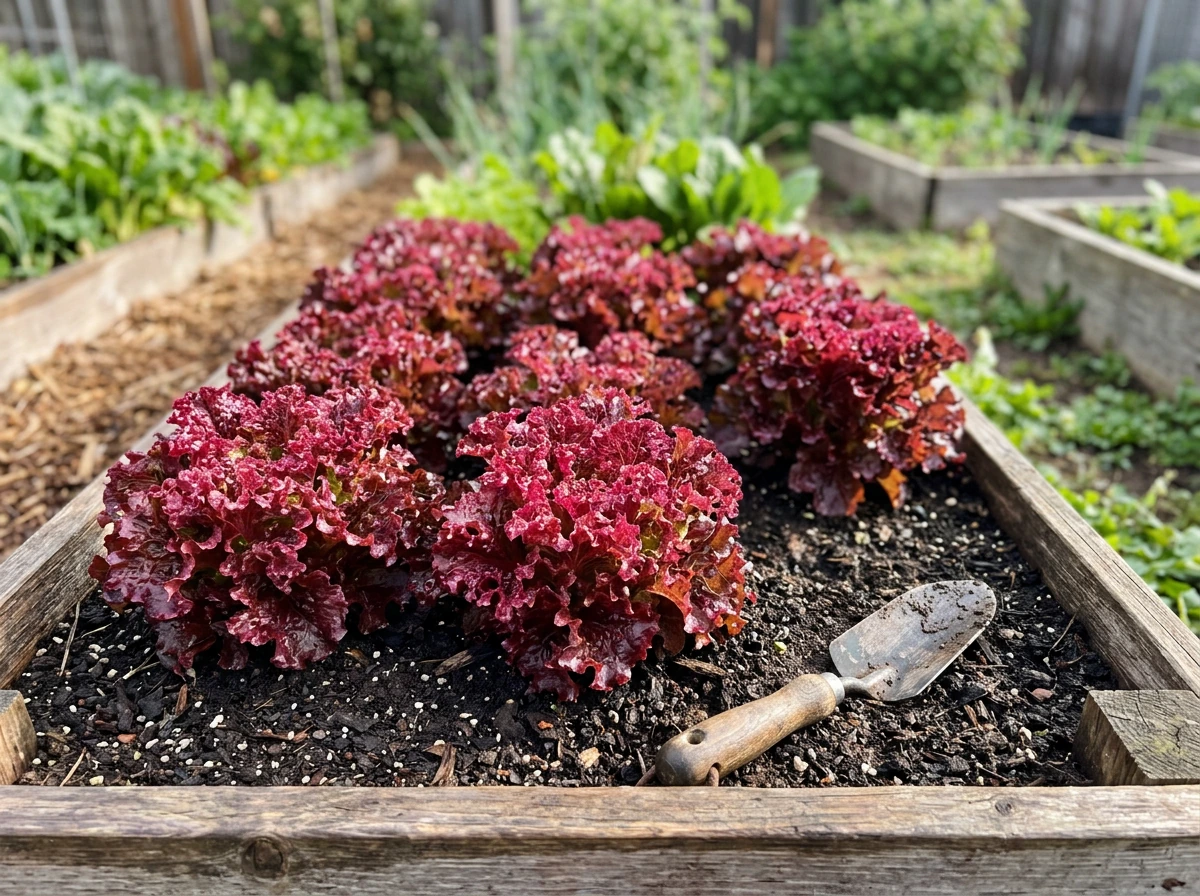
Red leaf lettuce is one of the easiest and most rewarding crops you can grow, and it works just as well in a container on a balcony as it does in a garden bed. The short version: sow seeds shallowly in cool weather, keep the soil consistently moist, harvest outer leaves regularly, and you can be eating fresh lettuce in as little as 27 days for loose-leaf types or 50–70 days for red leaf romaine. This guide walks you through every step, from setting up the right conditions to getting repeat harvests all season long. If you want the full walkthrough, including timing, sowing, and care, follow these steps for how to plant and grow lettuce.
How to Grow Red Leaf Lettuce: Step-by-Step Guide
Marcus Holloway
24 Mar 2026
What red leaf lettuce actually needs to grow well
Temperature: the single biggest factor
Lettuce is a cool-season crop and it performs best when daytime temperatures sit around 65–70°F and nights are between 45–55°F. For vegetative leaf growth specifically, the sweet spot is closer to 60–65°F. Once nights stay consistently above about 68°F (20°C), the plant shifts energy toward flowering rather than leaf production, which is what causes bolting. That means your job as a grower is to time your planting so the bulk of growth happens during that cooler window, whether that's spring or fall.
Light requirements
Red leaf lettuce wants full sun in cool weather, roughly 6 hours of direct light per day. High light intensity actually speeds up leaf development, which is useful in early spring when you want the plant to size up fast before heat arrives. In summer, partial shade becomes your friend because it slows the bolting process. One important detail: lettuce seed itself requires light to germinate, so you never bury it deep.
Soil and pH
Lettuce likes loose, well-draining soil with plenty of organic matter. Target a pH of 6.0–6.5 for garden beds. In containers, a good-quality potting mix with some added compost works well. The soil needs to hold moisture without staying waterlogged, because lettuce has shallow roots and dries out quickly but also suffers in soggy conditions. If you're growing red leaf romaine hydroponically, aim for a pH of 5.5–6.0 and roughly 150–200 ppm nitrogen in your nutrient solution.
How the growth cycle works
Understanding the growth cycle helps you avoid the most common mistakes. Lettuce starts as a seed that germinates quickly under the right conditions, then spends most of its useful life in a vegetative phase where it's producing the leaves you want to eat. Eventually, triggered by a combination of heat and long days, the plant bolts: it sends up a flowering stalk, leaves turn bitter, and the harvest window closes. Your entire growing strategy is about maximizing that vegetative phase and harvesting before or during it.
For red loose-leaf types like Red Salad Bowl, that vegetative window runs about 27–50 days from sowing. Red leaf romaine takes longer, typically 50–70 days to first real harvest, though you can pull baby leaves as early as 21 days. Bolting is triggered not just by heat but also by long days, so even in mild temperatures, midsummer's extended daylight can push plants toward flowering. Choosing bolt-tolerant varieties and timing your planting correctly are the two most effective ways to stay ahead of this.
Growing red leaf lettuce from seed: timing, sowing, and germination
When to sow
For most of the US, there are two main planting windows. In spring, sow from mid-March through late April. For a fall crop, sow from early August through mid-September. These windows let the plants grow through the coolest part of the season. If you're in a mild climate or growing indoors under lights, you can extend these windows significantly. The goal is always to have your plants hitting their peak size before sustained heat or long days trigger bolting.
How to sow
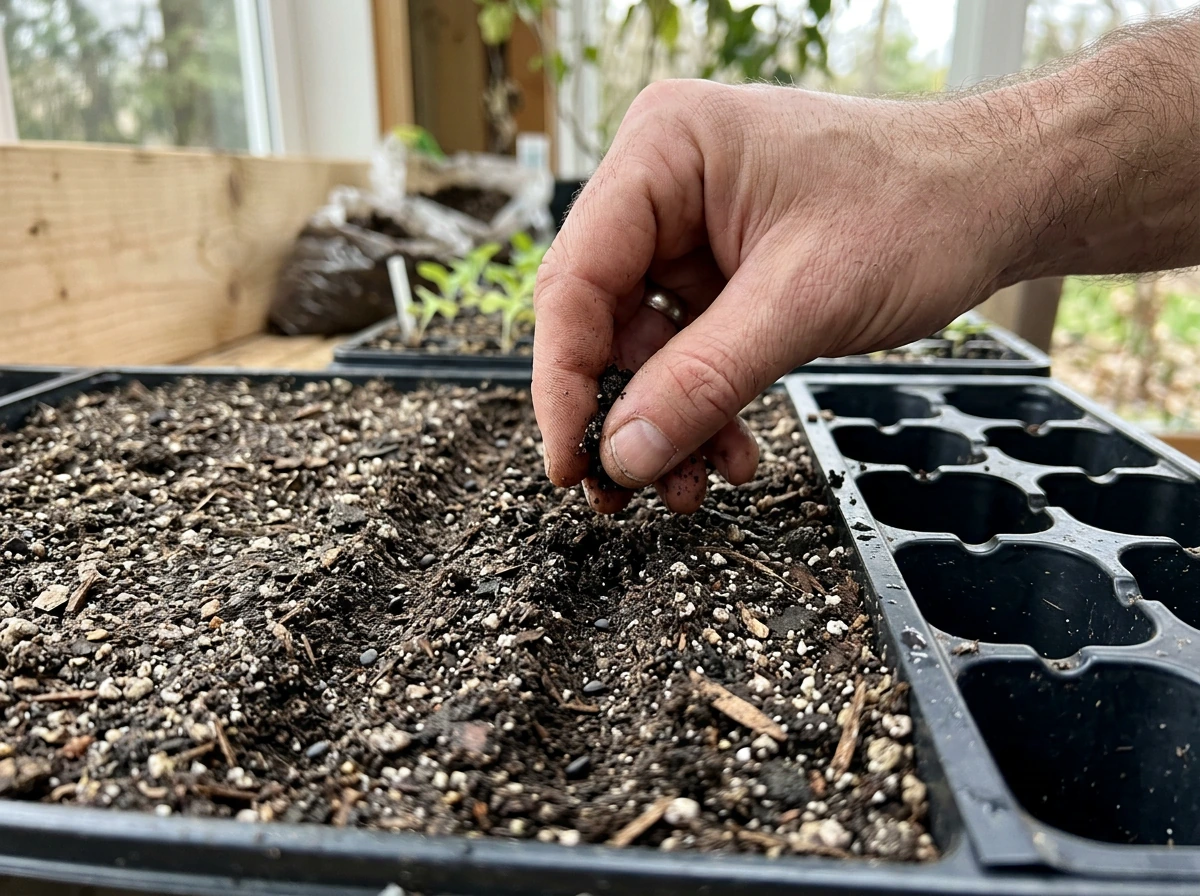
Sow seeds at about 1/4 inch deep. Because lettuce needs light to germinate, you want just the thinnest cover of soil or germination mix over the seeds, barely enough to keep them from drying out. You can direct sow into garden beds or containers, or start seeds in trays and transplant. For direct sowing, scatter seeds thinly in a row or block, cover lightly, and water gently. Avoid burying them any deeper than 1/4 inch or germination rates will drop noticeably.
Germination expectations
Lettuce germinates fastest at soil temperatures of 60–70°F, which is the optimum range for red romaine varieties specifically. At ideal conditions, germination can happen in as little as 2–3 days. Under typical home garden conditions, expect 7–14 days. Lettuce seed can technically germinate at soil temperatures as low as 35°F, but it's slow and unreliable at that extreme. If your soil is still cold in early spring, using a cold frame or row cover will bring soil temps up enough to speed things along considerably.
Planting setup: container vs. ground, spacing, and seedling care
Container growing
Containers work extremely well for red leaf lettuce. You get full control over soil quality, drainage, and placement, which means you can move the container to shade when temperatures spike. Use a pot at least 6–8 inches deep. A window box or half-barrel planter lets you grow a decent quantity. Fill it with a quality potting mix, add a handful of compost, and you're ready. Containers dry out faster than garden beds, so you'll need to check moisture more frequently.
In-ground planting
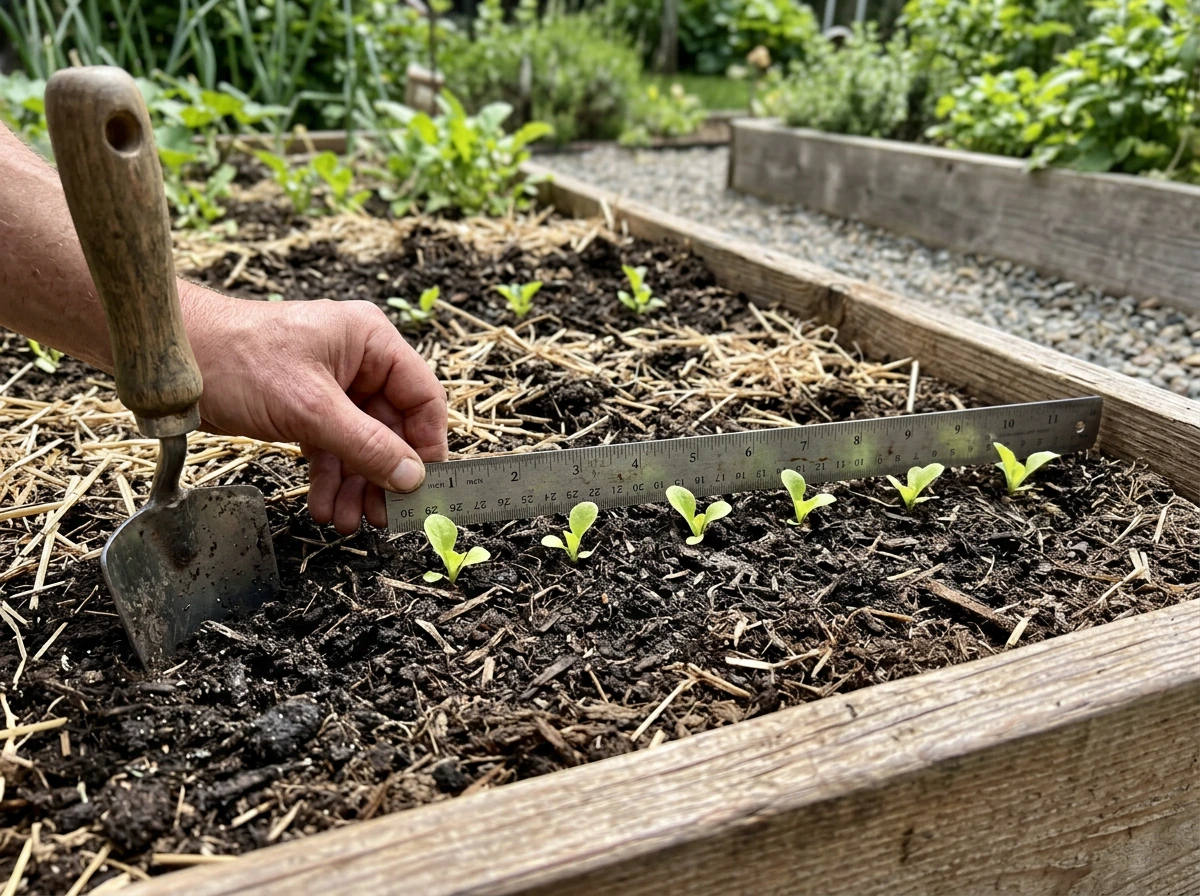
For garden beds, loosen the soil to about 6 inches, work in compost, and make sure the bed drains well. A raised bed is ideal because it warms faster in spring and drains better than flat ground. Sow densely at first, then thin as seedlings develop. This approach lets you use the thinnings as baby greens while giving the remaining plants room to size up properly.
Spacing and thinning seedlings
Start by sowing more densely than you need. Once seedlings are up, thin to about 1 inch between plants initially. As they grow, thin again so that mature loose-leaf types have about 6–8 inches between plants and red romaine types have 8–12 inches. The thinned seedlings are perfectly edible. Adequate spacing improves airflow, reduces disease pressure, and lets each plant develop full, well-colored leaves. For red leaf varieties specifically, good light exposure on the leaves is what intensifies the deep red pigmentation.
Seedling care and row covers
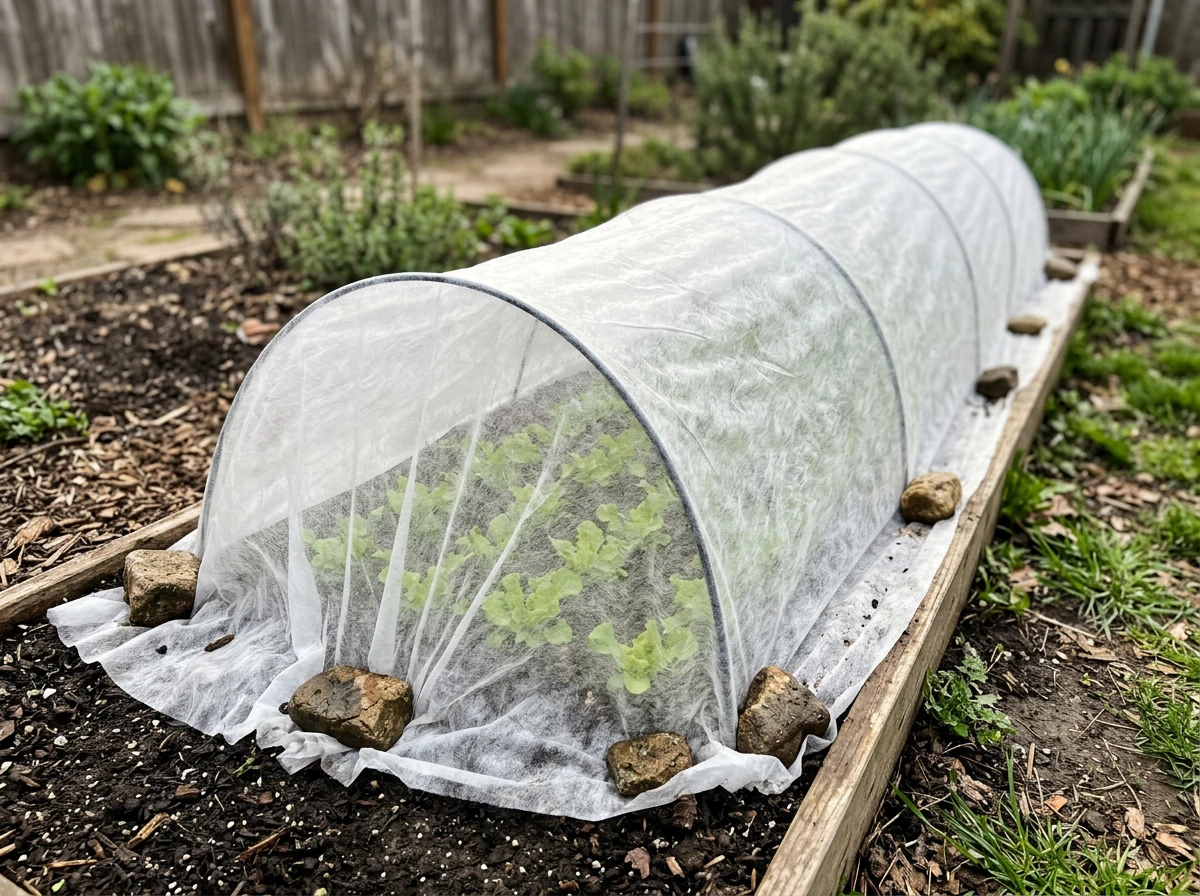
Young seedlings are vulnerable to temperature swings, late frosts, and pest pressure. Using row covers from the time seedlings emerge until about 30 days before harvest helps manage all three of these risks. Row covers trap warmth, protect from frost, and physically block insects like aphids and leafminers. Remove them during the heat of the day once temperatures consistently exceed 70°F, or swap to a shade cloth if you're managing summer heat.
Watering, feeding, and keeping the leaves healthy
How much water lettuce needs
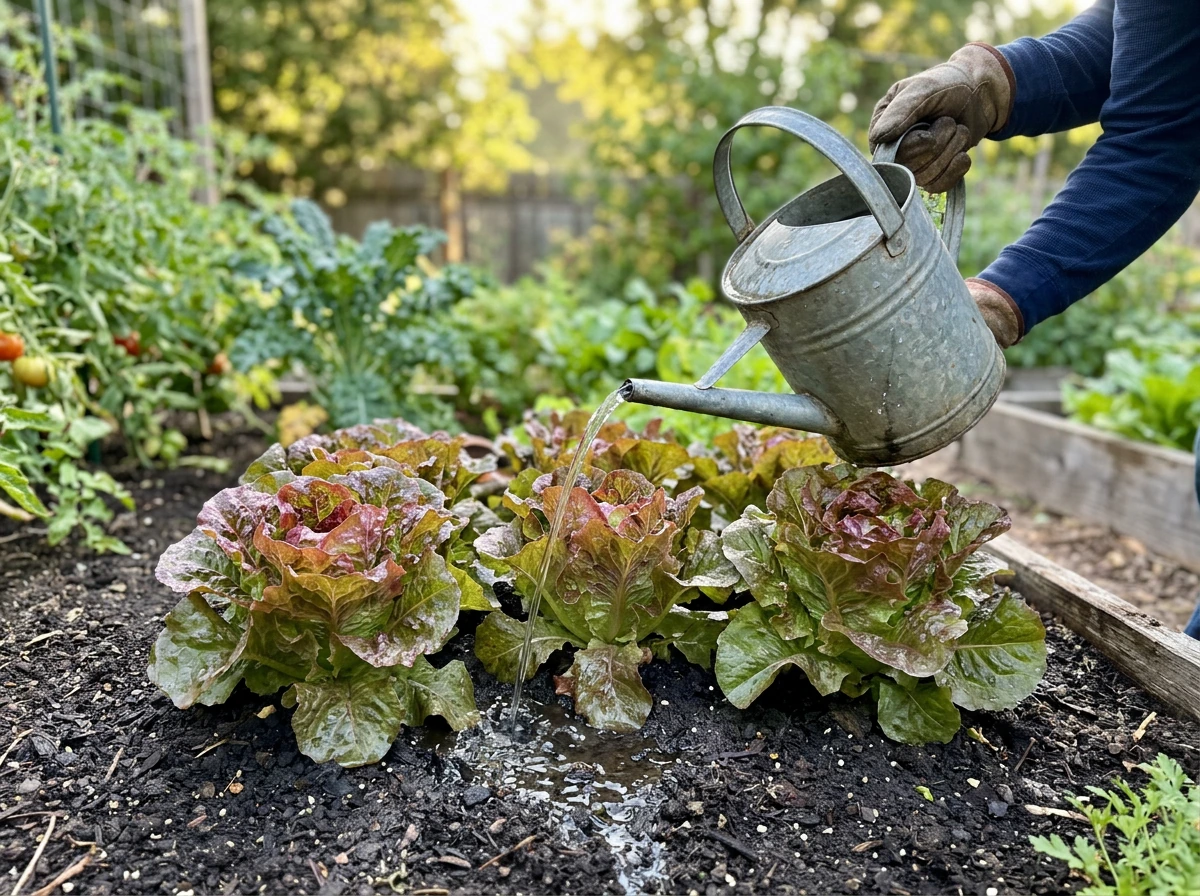
Lettuce needs a consistent water supply, at minimum about 1 inch per week. Inconsistent watering is one of the main causes of tip burn, bitter leaves, and bolting. The goal is to keep the soil evenly moist but never soggy. Check containers daily in warm weather because they dry out fast. In garden beds, a layer of mulch around the plants helps retain moisture and keeps soil temperatures from spiking. Water at the base of the plant rather than overhead when possible, which reduces fungal disease risk.
Feeding your plants
Lettuce is a light to moderate feeder. If you've worked compost into your bed or container mix at planting, that's often enough for a full crop cycle. If growth looks slow or pale, apply a balanced liquid fertilizer or a nitrogen-focused fertilizer at half strength every two to three weeks. Avoid heavy nitrogen doses because very rapid growth increases the risk of tipburn, a physiological calcium-related disorder where leaf edges turn brown. The fast-growing tissue can't move calcium quickly enough to keep up.
Thinning as a management tool
Beyond the initial thinning described above, continue removing crowded plants as the crop grows. Overcrowding reduces airflow, encourages mold and mildew, and causes plants to stretch toward light rather than developing full, wide leaves. The ideal is a bed where each plant has room to spread its outer leaves fully without touching its neighbors.
Troubleshooting: bolting, weak growth, pests, and other common problems
Bolting
Bolting is the number one frustration with lettuce. The plant sends up a tall central stalk, leaves become bitter and sparse, and it's basically over for eating. Bolting is driven by two overlapping factors: sustained temperatures above about 68°F (especially at night) and long day lengths in midsummer. To prevent it, plant early enough that your crop matures before midsummer heat sets in, or switch to a fall planting. When buying seeds, look specifically for bolt-tolerant red leaf and red romaine varieties, because breeding has made a real difference here. If you see a plant starting to elongate in the center, harvest the whole thing immediately before bitterness sets in completely.
Slow or weak growth and leggy seedlings
If seedlings look stretched, pale, or spindly, the most likely culprit is insufficient light. Lettuce seedlings need good light from the moment they emerge. Indoors, place them directly under grow lights or in the brightest window you have. Slow growth overall can also be a sign of soil temperatures that are too cold, waterlogged roots, or nutrient deficiency. Check that your pH is in the 6.0–6.5 range because outside that window, nutrient uptake becomes inefficient even if the nutrients are present.
Tipburn
Tipburn shows up as brown, papery edges on inner leaves and is a calcium-related physiological disorder rather than a disease. It's most common during periods of fast growth, warm weather, or inconsistent watering. Calcium moves through the plant via water uptake, so irregular irrigation basically starves rapidly growing tissue of calcium even when the soil has plenty. Keeping your watering consistent and avoiding heavy nitrogen fertilizer spikes are the two best preventive measures.
Aphids and leafminers
Aphids are the most common insect pest on lettuce. They cluster on the undersides of leaves and suck sap, causing distorted, yellowing leaves. For small infestations, a strong spray of water knocks them off. For larger populations, insecticidal soap or horticultural oil applied with thorough coverage is effective because these products kill on contact by dehydration. Reapply after rain. Leafminers leave winding pale trails inside the leaf tissue. Natural predators like parasitic wasps often keep populations in check, so avoid broad-spectrum pesticides that would disrupt that balance. Row covers early in the season are one of the best preventive measures for both pests.
Downy mildew
Downy mildew appears as light green or yellow patches on the upper surface of leaves, with a fuzzy white or gray growth on the underside. It thrives in cool, humid, crowded conditions. Prevention is straightforward: keep spacing adequate, water at the base rather than overhead, and remove affected leaves promptly. Good airflow through the bed is your best long-term defense.
Harvesting: when and how to cut for repeat production
When to start harvesting
You can harvest red leaf lettuce any time the leaves are a useful size. For baby greens, that might be as early as 21 days from sowing. Red Salad Bowl, 50 days is typical. <span>how to grow garden lettuce</span> Red leaf romaine types generally reach full size at 50–70 days. The plant is harvestable at any point between those early baby-leaf stages and full maturity at 8–12 inches. Don't wait too long chasing size because a mature plant that starts to bolt gives you a very short window before bitterness sets in. how to grow leaf lettuce
Cut-and-come-again harvesting
Cut-and-come-again is the method that gets you the most food from each plant. Rather than pulling the whole plant, you remove the outer leaves and leave the central growing point intact. For red romaine and loose-leaf types, cut or snap off the outer leaves starting from the bottom of the plant, leaving at least half the plant's leaves in place. The plant will continue pushing out new leaves from the center. Under good conditions, you can get 3–5 harvests from a single plant this way before it bolts.
To harvest this way, use clean scissors or a sharp knife. Cut individual leaves an inch or two above the base, or take a full outer ring of leaves at once. Avoid cutting into the central growing tip. Harvest in the morning after the plant has had a chance to absorb overnight moisture, because leaves are at their crispest and most hydrated at that point.
Full harvest
If you want to harvest the whole plant at once, cut it at the base about an inch above soil level. Many loose-leaf types will actually resprout from the crown and give you a second, smaller harvest a few weeks later. This works less reliably with romaine types, so if you've grown a red romaine variety, the cut-and-come-again outer-leaf method will serve you better for extending production.
Succession planting for a continuous supply
The best way to have fresh red leaf lettuce consistently is to sow a small batch every 2–3 weeks rather than one large planting. This staggers the harvest windows so you're always pulling from plants at their peak. Combine this with cut-and-come-again harvesting on each batch and you can have fresh lettuce for months through both the spring and fall seasons. Once you've dialed in the timing for your climate, this becomes almost automatic. If you want to compare red leaf varieties with other lettuce types, it's worth also looking at how loose-leaf and head lettuce growing approaches differ, since the care overlaps significantly but the harvest strategies vary.
FAQ
My red leaf lettuce seeds won’t germinate, what should I check first?
If you see seedlings not coming up, the most common causes are seed buried too deep, soil kept too dry, or temperatures far below the ideal range (especially under 35°F). Lettuce seed needs light to germinate, so check your cover depth, then lightly water to keep the top layer evenly moist until you get sprouts.
Should I use row cover or shade cloth, and when?
Use row covers or a shade cloth based on the problem. For late frost or cold soil, keep row cover on until temperatures are steadily warm. For summer heat and long days, switch to shade cloth during the hottest part of the day (and remove row cover once nights are reliably above about 70°F to avoid overheating).
How early can I harvest red leaf lettuce without ruining future regrowth?
Yes, you can harvest baby leaves early, but stop at about the point where the plant still has enough leaf area to regrow. A practical rule is to take only outer leaves for cut-and-come-again, leaving the center intact, then wait a couple of weeks before the next heavy harvest so regrowth keeps pace with your weather.
Why is my lettuce turning bitter even though it hasn’t fully bolted yet?
Red leaf lettuce can taste bitter if it bolts, but also if it grows too stressed, especially from heat spikes and inconsistent moisture. If you notice bitterness starting, harvest immediately (don’t wait for full size), and in future batches tighten your watering schedule and move the container into afternoon shade before hot days arrive.
What causes tipburn on red leaf lettuce, and how can I prevent it?
Tipburn is mostly about the plant outgrowing its calcium supply, which is strongly tied to uneven watering and very fast growth. To reduce it, keep soil moisture steady, avoid high nitrogen, and consider adding consistent moisture-retaining mulch in beds or checking containers daily during warm weather.
My seedlings look stretched and pale. What’s the most likely issue?
If you see pale, spindly seedlings, suspect either low light or roots that are too cold or waterlogged. Bright light from emergence is key, and in early spring aim to warm the growing medium (cold frame or a row cover helps). Also confirm drainage, since lettuce shallow roots suffer quickly in soggy soil.
Can my lettuce bolt from long days alone, and how do I slow it?
Lettuce bolts faster with long days, even when temperatures are mild. To slow it, plan fall sowing early enough that plants are nearing harvest before the longest days, and choose bolt-tolerant red leaf or red romaine varieties for the warmest periods.
How do I reduce downy mildew in a home garden?
Avoid overhead watering if you can, because wet leaves increase downy mildew risk. Water at the base, and if you had a humid or crowded bed situation, remove the worst affected leaves promptly and improve spacing in future plantings.
What’s the best way to manage aphids and leafminers without harming beneficial insects?
If pests are widespread, start with prevention rather than repeated sprays. Use row covers early to block aphids and leafminers, and for small infestations use a forceful water rinse. If needed, use insecticidal soap or horticultural oil with thorough coverage, then reapply after rain.
What’s the simplest schedule to keep lettuce available throughout spring and fall?
If you want a steady supply, sow smaller batches every 2 to 3 weeks, and harvest using cut-and-come-again so each batch keeps producing. The key decision aid is staggering by days, not by a single date, because your local weather will speed up or slow down growth.