Growing garden lettuce is one of the most rewarding things you can do in a vegetable garden, and it is genuinely beginner-friendly. If you plant it at the right time, give it decent soil, and keep it watered, you will be eating fresh leaves within a month. This guide walks you through every decision you need to make, from picking the right type to getting multiple harvests from the same plants.
How to Grow Garden Lettuce: Beginner Steps for Big Leaves
Marcus Holloway
24 Mar 2026
Leaf vs. head lettuce: pick the right type first
All garden lettuce falls into two broad categories: leaf lettuce and head lettuce. Knowing which you are growing changes almost everything about spacing, timing, and harvest.
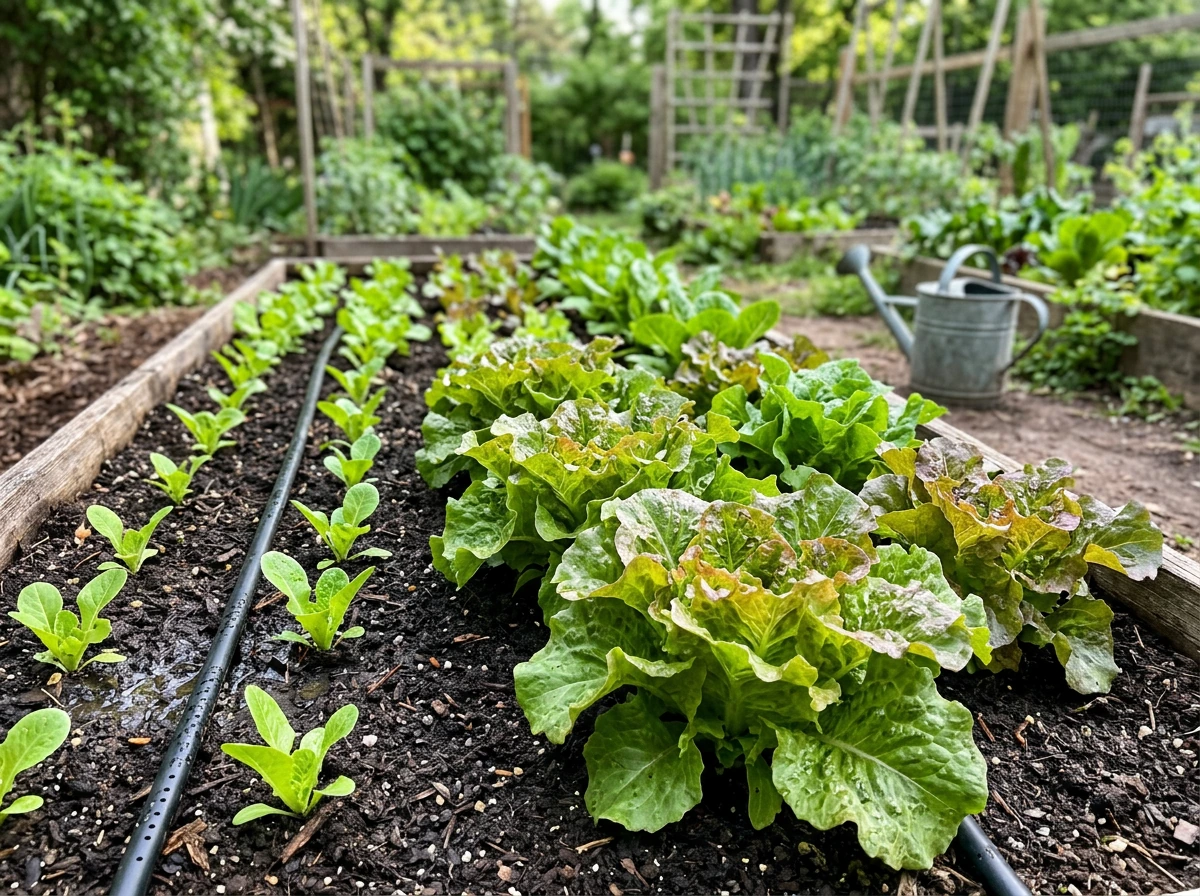
Leaf lettuce (including loose-leaf, red leaf, and many salad mixes) does not form a tight ball. It grows as an open rosette of leaves you can start picking in as little as 27 days after transplanting. It is forgiving, fast, and perfect for beginners or small spaces. If you want a continuous salad supply, leaf types are your best bet.
Head lettuce includes butterhead, romaine, and crisphead (iceberg-style). These take longer, need more space, and require more patience, but they produce the dense, satisfying heads you find at the grocery store. Butterhead can be ready in 42 to 70 days from transplant; crisphead takes 60 to 120 days. Romaine falls in the middle at 50 to 70 days. If this is your first season, start with a loose-leaf variety and add a butterhead or romaine once you get comfortable.
You will also see the phrase 'living lettuce' used in gardening conversations. This simply refers to cut-and-come-again growing, where you harvest outer leaves or cut the plant above its crown and let it regrow. It is not a separate species. Almost any lettuce can be treated this way, though romaine and loose-leaf types do it best. More on that in the harvest section.
| Type | Days to First Harvest (transplant) | Spacing In-Row | Best For |
|---|---|---|---|
| Loose-leaf | 27 days | 3–4 inches (transplant); 1 inch (direct sow, thin later) | Cut-and-come-again, beginners, small spaces |
| Butterhead | 42–70 days | 10–12 inches | Soft heads, gentle flavor, cut-and-come-again possible |
| Romaine | 50–70 days | 10–12 inches | Crisp leaves, good cutter, heat-tolerant relative to others |
| Crisphead (iceberg) | 60–120 days | 10–12 inches | Classic firm heads, needs the most time and space |
Getting the conditions right: sun, soil, temperature, and spacing
Sunlight
Lettuce grows best in full sun in cool weather, which means 6 or more hours of direct light. In warm weather (late spring through summer), some afternoon shade actually helps by slowing the bolting process. If your garden only gets partial sun, lettuce is one of the few vegetables that will still perform reasonably well, especially leaf types.
Soil
Lettuce prefers well-drained loam or sandy loam that is rich in organic matter. The ideal soil pH is 6.0 to 6.8. Lettuce will technically grow in soil up to pH 8.0, but the sweet spot for nutrient availability and healthy roots is that slightly acidic to neutral range. Before planting, work a few inches of compost into the top 6 inches of soil. If you are filling a raised bed, aim for 25 to 50 percent organic matter by volume. Good soil structure is what separates fast, crisp lettuce from slow, stunted plants.
Temperature
Temperature is the single biggest factor in lettuce success. Lettuce is a cool-season crop. Seeds can germinate at soil temperatures as low as 35°F and do so in as little as 2 to 3 days under good conditions. The plant thrives when air temperatures stay between roughly 45°F and 65°F. Once temperatures consistently climb above 75 to 80°F, lettuce bolts (sends up a flower stalk), the leaves turn bitter, and regrowth stops. This is why the best planting windows are early spring (2 to 3 weeks before your last frost date) and early fall. In most of the U.S., that means planting in late February through April, or again in August through September.
Spacing
Spacing depends heavily on the type you are growing. For leaf lettuce, you can fit about 6 plants per square foot in a raised bed, which works out to roughly 4 inches between plants. In a traditional row, space transplants 3 to 4 inches apart with 12 to 18 inches between rows. Head lettuce needs more room: 10 to 12 inches between plants in a row, with the same 12 to 18 inch row spacing. Crowded lettuce is stressed lettuce, and stressed lettuce bolts faster and tastes worse.
How to plant lettuce: seeds and starter plants
Starting from seed directly in the garden
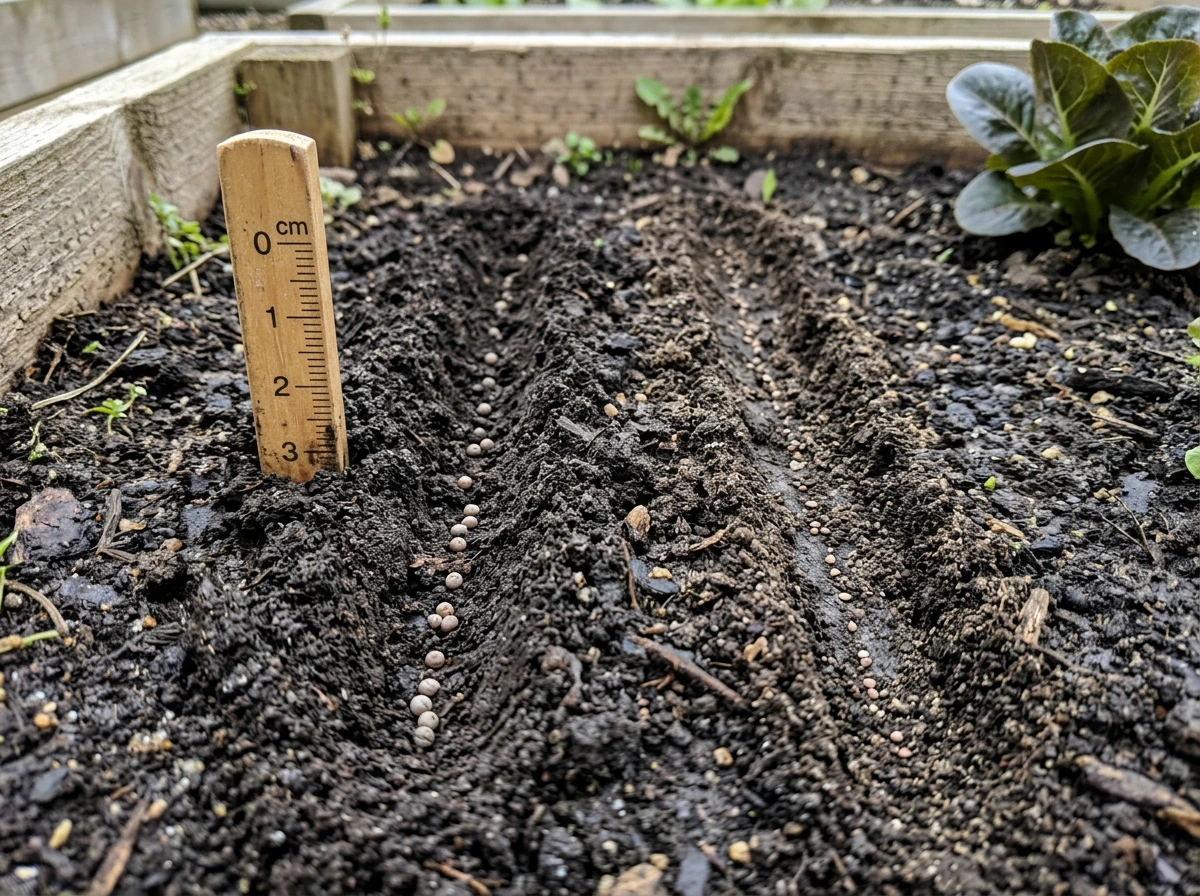
Direct sowing is easy and works well for leaf types. The key detail most beginners get wrong is planting too deep. Lettuce seeds are tiny and need light to germinate well. Sow them no deeper than 1/4 inch, and for leaf lettuce, 1/8 inch is even better. Press them gently into moist soil, barely cover them, and keep the surface consistently moist until germination. Do not let the top inch of soil dry out during this period or germination will fail.
- Prepare the bed by loosening the top 4 to 6 inches of soil and raking it smooth.
- Moisten the soil before sowing.
- Scatter seeds thinly or sow in shallow rows, spacing seeds about 1 inch apart.
- Cover seeds with no more than 1/4 inch of fine soil or a light dusting of compost.
- Firm the surface gently with your hand.
- Water lightly with a gentle spray so you do not wash seeds away.
- Keep soil moist until seedlings appear, usually within 2 to 7 days in cool soil.
Starting from transplants (buying or starting indoors)
Buying transplants from a nursery or starting seeds indoors 3 to 4 weeks before your planting date gives you a head start, especially in spring when the window before heat arrives is short. When transplanting, dig a hole just deep enough for the root ball, set the plant at the same depth it was growing in the pot, firm the soil around the roots, and water thoroughly. Transplants need extra water every day for the first week while their roots establish. If you are planting in warm weather, provide shade for the first few days to reduce transplant stress.
Whether you direct sow or transplant, the planting depth and timing rules are the same. The transplant path simply compresses the time from planting to first harvest, which matters when you are racing the heat in spring.
Watering and feeding for big, healthy lettuce
Lettuce is mostly water, and consistent moisture is what separates good lettuce from tough, bitter lettuce. Aim to give your plants about 1 inch of water per week, either from rain or irrigation. The goal is to keep the soil evenly moist but never waterlogged. Dry spells followed by heavy watering stress the plant and accelerate bolting.
How you water matters too. Avoid overhead watering that soaks the leaves, especially in the evening. Wet foliage sitting overnight creates the perfect conditions for fungal disease. The UC Statewide IPM Program also warns that botrytis crown rot risk increases in wet conditions and advises avoiding prolonged wetting of bed tops to lower disease severity Wet foliage sitting overnight creates the perfect conditions for fungal disease.. Water at the base of plants in the morning whenever possible, or use drip irrigation if you have it.
Tipburn, those brown, papery edges on inner leaves, is a common problem that looks like a nutrient deficiency but is actually caused by high temperatures combined with low water uptake. When plants grow rapidly in heat and cannot move water and calcium fast enough through their tissue, the leaf edges die. Consistent watering and keeping plants cool are the best prevention.
For feeding, lettuce is not a heavy feeder, but it does like nitrogen for fast, lush leaf growth. If you started with compost-rich soil, you may not need to fertilize at all, especially when following a plan for how to grow head lettuce. If growth seems slow or leaves are pale, side-dress with a balanced fertilizer or water in a dilute liquid fertilizer once every 2 to 3 weeks. Do not overdo it: too much nitrogen in warm weather pushes soft growth that bolts even faster.
Ongoing care: thinning, weeds, pests, and knowing when to harvest
Thinning
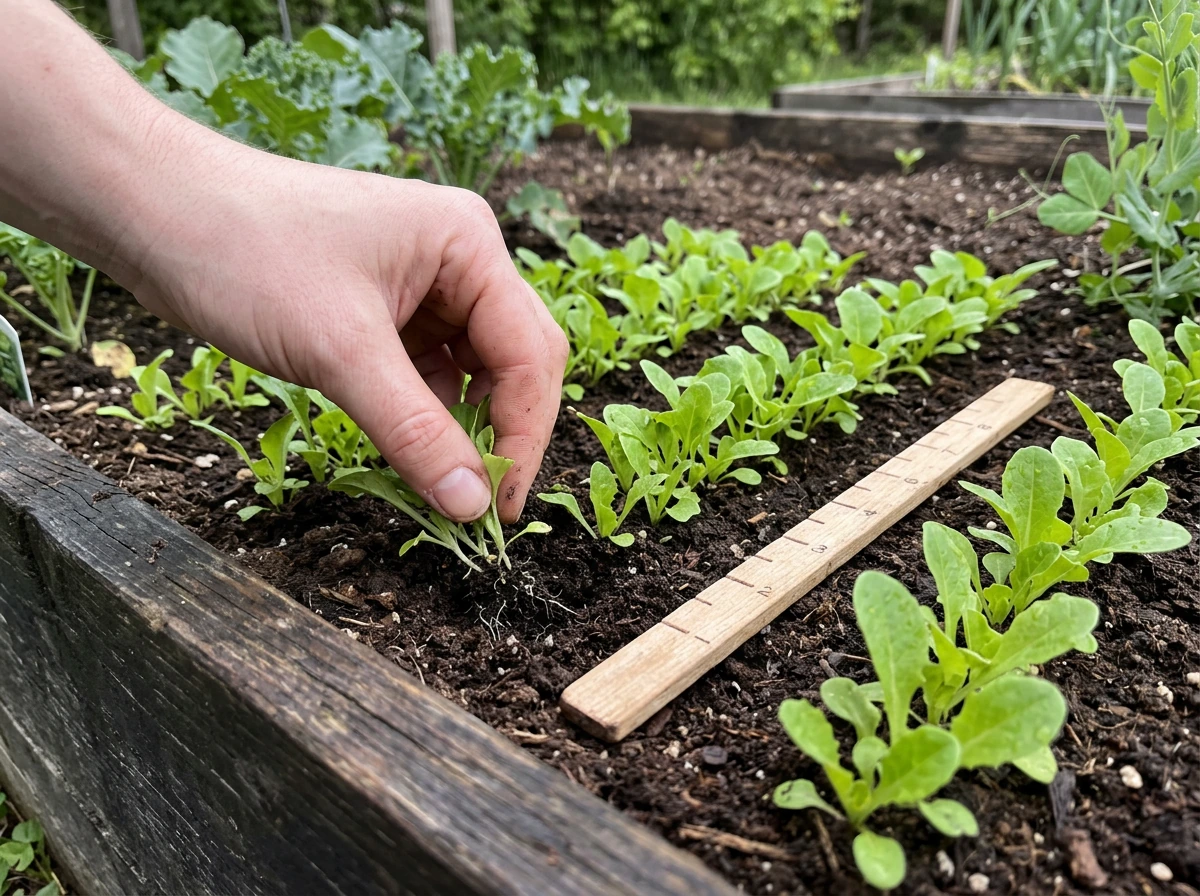
If you direct sowed, you will need to thin seedlings once they are about an inch tall. For leaf lettuce, thin to 3 to 4 inches apart. For head types, thin to 10 to 12 inches. Do not skip this step. Crowded seedlings compete for water and nutrients and never develop properly. The thinnings are edible, so add them to a salad rather than throwing them away.
Weeding
Lettuce has shallow roots, so hand-pull weeds carefully rather than hoeing aggressively near plants. A layer of straw or compost mulch around plants after thinning helps suppress weeds, retain moisture, and moderate soil temperature. All of those benefits matter for lettuce quality and repeat regrowth.
Pests and diseases
The most common problems you will run into are aphids, slugs and snails, caterpillars, and fungal diseases like downy mildew or crown rot. USU Extension also notes that insecticidal soap can be a good option for aphids, especially when used before populations get too high, with thorough spray coverage. Most of these are manageable with simple cultural controls rather than spraying anything.
- Aphids: knock them off with a strong spray of water or use insecticidal soap. Check the undersides of leaves.
- Slugs and snails: they feed at night and leave slime trails. Remove them by hand in the evening or use iron phosphate bait around the bed.
- Caterpillars: check leaves daily in fall crops especially. Hand-pick caterpillars or use Bt (Bacillus thuringiensis), a naturally derived product safe for food gardens.
- Cutworms: these cut seedlings off at the soil line overnight. Push a toothpick or small stick into the soil right next to each stem to block them physically.
- Downy mildew and crown rot: both are made worse by wet foliage and poor drainage. Water at the base, avoid overhead watering, and ensure the bed drains well.
Harvest timing
For leaf lettuce, you can start harvesting outer leaves any time after the plant has several mature leaves, and you should finish before the seed stalk forms. Once you see the center of the plant starting to elongate upward, harvest everything immediately or the leaves will turn bitter within days. For head lettuce, harvest when the head feels firm when gently squeezed. Overmature head lettuce will bolt just like leaf types, so do not wait too long once the head is formed.
Growing in-ground vs. raised beds: what actually changes
Lettuce grows well both in traditional in-ground garden beds and in raised beds. The basic rules are the same. What changes is how you manage soil quality and moisture.
In-ground growing gives you more root depth, more consistent moisture retention in clay-leaning soils, and lower maintenance over time. The main challenge is getting soil quality right in the first place, especially drainage and organic matter. Work in 2 to 3 inches of compost before planting each season.
Raised beds dry out faster than in-ground beds, which means you may need to water more frequently, sometimes every day in warm weather. The payoff is excellent drainage, warmer soil in spring (helping you plant earlier), and easier weed and pest management. Fill beds with a mix that is 25 to 50 percent organic matter by volume and you will have ideal lettuce conditions from day one.
Container growing follows the raised bed rules even more strictly: check moisture daily, use a mix with good drainage, and choose compact leaf varieties over head types. Containers are one of the easiest ways to grow lettuce if you are short on space, and they let you move plants to shadier spots when summer heat arrives.
If you want a deep dive into specific setups, our guides on how to plant and grow lettuce and how to grow leaf lettuce cover those paths in more detail.
Harvesting and keeping lettuce coming back
Cut-and-come-again for leaf lettuce
The cut-and-come-again method is the best way to get maximum production from a small space. For loose-leaf types, break off the outermost leaves individually and let the interior leaves keep growing. Alternatively, cut the entire plant 1 to 2 inches above the growing crown (the dense central point near the soil). The plant will regrow from the crown and you can harvest again in another 2 to 3 weeks. With good conditions, 3 to 5 harvests from a single planting is realistic.
Romaine and loose-leaf varieties are the best candidates for repeated cutting. Butterhead can also be cut this way. Crisphead is the least well-suited to cut-and-come-again because its value is the whole head, not individual leaves.
When regrowth stops
Regrowth will eventually slow and stop, either because the plant has bolted in response to heat or because it has exhausted itself after several cuts. Both are normal. The practical limit on cut-and-come-again is temperature: once daytime highs are consistently above 75 to 80°F, lettuce shifts into bolt mode and new growth will be bitter and sparse even if you keep cutting. This is the signal to pull out the old plants and either wait for cooler weather or start a fall planting.
Succession planting for a steady supply
The simplest way to have lettuce available all spring and fall is succession planting: sow a small batch of seeds every 2 to 3 weeks rather than planting everything at once. This staggers maturity so you always have plants at different stages. Combined with cut-and-come-again harvesting, it is the most practical method for keeping salad on the table from your own garden without waste or feast-and-famine cycles.
If you are growing red leaf or specialty varieties, the process is identical. Our guides on how to grow red leaf lettuce and how to grow head lettuce go deeper on type-specific tips if you want to specialize.
Your next steps today
If it is currently late winter or early spring where you are, right now is the best possible time to act. Pick a loose-leaf variety, prepare a bed or container with compost-rich soil at a pH of 6.0 to 6.8, sow seeds 1/8 to 1/4 inch deep, and keep the surface moist. You will see germination in days and be eating your own lettuce within a month. That is really all it takes to get started. For a fuller, step-by-step plan specifically for leaf varieties, follow our guide on how to grow leaf lettuce.
FAQ
How can I tell if my lettuce is bolting versus just growing slowly?
Bolting usually shows as the center elongating and forming a tight stalk, often followed by rapidly tougher, more bitter leaves. Slow growth alone is more likely due to low light, cold soil, or nutrient imbalance, and you can confirm by checking if new inner leaves are still forming without the visible stem extension.
What’s the best way to water lettuce when it’s hot, without overwatering?
Use the “evenly moist” goal, not daily soaking. In warm spells, water early in the morning and only enough to keep the top few inches from drying out. If your soil stays muddy or waterlogged, reduce frequency and switch to drip so moisture reaches roots instead of the leaf surface.
My lettuce seeds won’t germinate, what are the most common causes?
The top causes are sowing too deep, letting the seed bed dry out while waiting, and poor soil contact (seeds not pressed gently into moist soil). Also confirm the timing, if you sow too late into warming weather the seedlings may struggle and fail before they establish.
Should I remove seedlings early even after I thin them once?
Yes, if you see uneven crowding. After the first thinning, keep an eye on spacing and do a light follow-up thinning if plants become tighter than the target distance. Lettuce’s shallow roots make competition show up quickly as small leaves and earlier bolting.
Can I grow lettuce indoors under grow lights?
You can, especially for leaf types, as long as you keep temperatures cool and provide strong light. Aim for dense, crisp growth by running lights long enough to prevent leggy seedlings, and transplant outside or thin as soon as plants have enough true leaves to handle spacing.
Why do my lettuce leaves look pale even though I fertilized?
Pale leaves can come from nitrogen deficiency, but also from low temperatures slowing root uptake or from inconsistent moisture that limits nutrient movement. Before adding more fertilizer, check that the soil stays evenly moist and your plants are in the cool portion of the day, then adjust with a modest side-dress if color stays poor.
What causes bitter lettuce, and how can I reduce it?
Bitter flavor most often follows heat stress and irregular watering, which accelerates bolting and leaf toughness. Provide afternoon shade in warm weather, water consistently, and harvest leaf outer growth before the center starts to elongate.
Is there a safe way to harvest lettuce repeatedly without hurting the plant?
Stick to the outer-leaf removal or cut 1 to 2 inches above the crown, then leave the inner growing point intact. Avoid cutting too low into the crown tissue, because that can slow regrowth. Also stop harvests when the center elongates, since quality drops quickly as bolting begins.
How do I prevent tipburn in warm weather?
Tipburn is linked to high temperatures and calcium uptake problems, even when fertilizer is present. Keep watering steady, mulch to moderate soil temperature, and consider using drip irrigation to reduce leaf wetness and improve root consistency during hot periods.
What should I do if slugs and snails keep destroying my young plants?
Start with cultural prevention: remove hiding spots, keep the area around beds clear, and use barriers or traps designed for slugs. For seedlings, being consistent with early protection matters most, because once plants are damaged it can take longer to regrow healthy leaves.
Do I need to change anything when growing lettuce in raised beds versus the ground?
Yes, raised beds typically dry faster and warm more quickly. Plan for more frequent checks, sometimes daily in heat, and don’t assume the same watering schedule as in-ground beds. Keep organic matter in the recommended range to stabilize moisture and temperature.
When should I pull lettuce after multiple cut-and-come-again harvests?
Pull the plants when regrowth turns slow, leaves become smaller, or you see the center start to form a stalk. Even if you keep harvesting, bolting driven by sustained warm days will reduce leaf quality. At that point, switch to a fall planting rather than forcing continued cuts in heat.